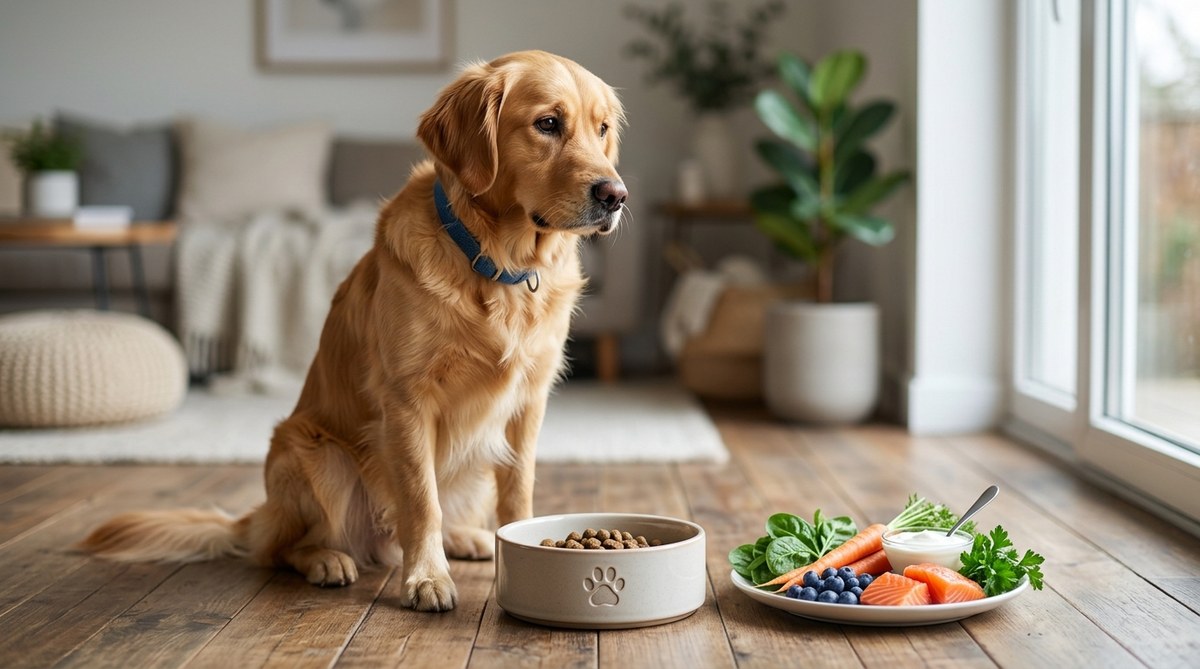
Your dog turns away from their bowl of kibble. You try a different brand. You add warm water. Nothing works. But the moment you reach for a chicken jerky treat or drop a piece of cheese, they perk right up. This behavior is frustrating, confusing, and honestly a little insulting. You are not alone. Many dog owners face this exact puzzle. The good news is that a dog who refuses to eat but eats treats is usually trying to tell you something. The key is learning how to listen.
A dog who skips meals but eats treats is often signaling a problem with their regular food, not a lack of appetite. The cause could be medical, behavioral, or nutritional. By ruling out health issues first, then addressing food quality and feeding routines, you can help your dog enjoy balanced meals again without relying on junk food.
The Real Reason Your Dog Snubs Their Bowl
When a dog refuses their dinner but accepts a treat, the issue is rarely about hunger. Dogs are smart. They learn patterns. If a plain kibble bowl is boring and a treat is exciting, they will hold out for the good stuff. But there is usually more to the story. Something about their regular meal is turning them off. It could be the texture, the smell, the temperature, or even a hidden health problem.
Let us break down the most common causes so you can start solving the mystery today.
Medical Causes That Mimic Picky Eating
Before you change your dog’s food, rule out health issues. A dog that eats treats but not meals may have an underlying condition that makes their regular food hard to digest or unappealing.
Dental Pain
Toothaches, gum infections, or broken teeth can make chewing kibble painful. Soft treats are easier to swallow. Check your dog’s mouth for redness, swelling, or loose teeth. If you notice anything unusual, a vet visit is the right move.
Nausea or Digestive Upset
A dog with an upset stomach may avoid their regular food because it feels heavy. But a small, high-value treat still triggers their interest. This is common in dogs with pancreatitis, kidney disease, or liver issues. If your dog has vomiting, diarrhea, or weight loss, get them checked.
Nutrient Deficiencies
This is a big one. If your dog’s diet lacks essential nutrients, their body may reject the food instinctively. They might be craving something missing from their bowl. Our article on 5 essential nutrients often missing in commercial dog food explains exactly what to look for.
Food Allergies or Sensitivities
Dogs can develop allergies to common proteins like chicken, beef, or grains. When they eat the same food every day, they may start associating it with discomfort. Treats are different, so they seem safer. If you suspect this, try a limited ingredient diet.
Behavioral and Environmental Triggers
Sometimes the problem is not the food. It is the context.
Free Feeding Gone Wrong
If you leave food out all day, your dog never feels real hunger. They graze. Treats become the highlight. Pick up the bowl after 15 minutes. A structured feeding schedule works wonders.
Stress and Anxiety
Loud noises, new pets, moving homes, or changes in routine can kill your dog’s appetite. They may still eat treats because the reward center in their brain overrides the stress response. Give them a calm, quiet space to eat.
Training Rewards Backfire
If you give treats for tricks all day, your dog learns that treats are better than meals. They will hold out for the jackpot. Reduce treat frequency and use some of their kibble as training rewards.
Food Quality and Palatability Issues
Your dog might simply dislike what is in the bowl. Dogs have preferences too.
Stale or Rancid Kibble
Kibble can go bad. Fats turn rancid. The smell changes. Your dog notices long before you do. Always check the expiration date and store food in an airtight container.
Texture Problems
Some dogs hate hard, dry kibble. Others dislike mushy wet food. Try a different texture. Add warm water or bone broth to soften dry food. Our guide on easy dog food recipes for sensitive stomachs has great ideas.
Boredom with the Same Flavor
Eating the same protein source for months can bore a dog. Rotate proteins. Mix in a topper. Use a food rotation system to keep meals interesting.
The Treat Trap: How Rewards Reinforce the Problem
Here is the hard truth. Every time you give a treat after your dog refuses their meal, you train them to refuse food. It becomes a game. They skip dinner, get a treat. The cycle repeats.
| What You Do | What Your Dog Learns | Result |
|---|---|---|
| Offer kibble, dog walks away | Kibble is boring, treat is better | Dog holds out longer |
| Give treat after refusal | Refusing food leads to reward | Behavior strengthens |
| Switch to human food | Human food is the best option | Dog demands better meals |
Break this cycle by following a structured plan.
A Step-by-Step Plan to Fix Picky Eating
Follow these steps in order. Do not skip ahead.
- Schedule a vet visit. Rule out dental pain, nausea, and underlying illness. Get bloodwork if your dog is a senior.
- Stop free feeding. Put food down for 15 minutes, twice a day. Remove the bowl after that, even if they did not eat.
- Cut treats completely for 48 hours. No exceptions. This resets their expectation.
- Upgrade the food. Add a spoonful of wet food, plain pumpkin puree, or warmed bone broth to the kibble. Make the bowl smell irresistible.
- Use the same food as rewards. Use a few pieces of kibble as training treats. This teaches your dog that the bowl food is valuable.
- Introduce variety. Rotate proteins and textures every few weeks. Check out the ultimate guide to choosing the right dog food in 2026 for help.
- Stick to the schedule for two weeks. Consistency is everything.
“Most cases of picky eating in dogs are behavioral, but you must rule out medical causes first. Once your dog is healthy, a firm feeding routine and better food quality will solve the problem 9 times out of 10.” Dr. Sarah Mitchell, DVM
Common Mistakes That Keep the Problem Alive
Avoid these errors. They are the reason many owners stay stuck.
- Giving in after one skipped meal. Your dog can skip one meal safely. Do not panic.
- Using human food as a topper. This teaches your dog that people food is the goal.
- Switching foods too often. Dogs need time to adjust. Give a new food at least five days.
- Ignoring the emotional state. A stressed dog will not eat well. Address anxiety first.
- Forgetting about hydration. Dehydration can kill appetite. Always offer fresh water.
If your dog still refuses after two weeks of consistent effort, revisit the medical angle. Some dogs need prescription diets or digestive support. Our article on how to choose the best probiotics for your dog’s gut health in 2026 can help with digestive issues.
When to Worry and What to Watch For
Most healthy dogs can skip one or two meals without harm. But watch for these red flags.
- No interest in any food for more than 24 hours
- Visible weight loss
- Vomiting or diarrhea
- Lethargy or hiding
- Blood in stool or mouth
Any of these signs means a vet visit today, not tomorrow.
How to Build a Better Bowl
The goal is a meal your dog genuinely wants to eat. Here is a simple table to help you build a bowl that works.
| Meal Component | Purpose | Example |
|---|---|---|
| Base protein | Main nutrition | Turkey, lamb, or fish based kibble |
| Moisture | Increases smell and texture | Warm water, unsalted bone broth |
| Functional topper | Adds nutrients and appeal | Pumpkin, sardines, plain yogurt |
| Texture contrast | Keeps it interesting | Crunchy topper or freeze dried liver |
Rotate these elements. Do not use the same combination every day. Your dog will stay engaged and less likely to refuse.
What Their Diet Might Be Missing
A dog that refuses to eat but eats treats may be missing key nutrients. Commercial kibble can be low in certain vital elements. Check your dog’s food label. Look for these common gaps.
- Omega-3 fatty acids. These support brain and coat health. Many kibbles lack them. Learn more in is your dog getting enough omega-3s.
- Digestive enzymes. Dogs with poor digestion may reject food because it feels heavy. A sprinkle of enzyme powder can help.
- High quality protein. Cheaper foods use low grade meat meal. Upgrade to whole meat sources.
- Variety of nutrients. Eating the same thing daily can lead to subtle deficiencies. Rotate foods.
If you want to take control of your dog’s nutrition, consider how to build a custom meal plan for your dog’s unique needs. It walks you through the process step by step.
The Role of Homemade Meals and Treats
Many owners find that switching to homemade or semi homemade meals solves the problem. Your dog gets fresh, whole ingredients. You control what goes in the bowl. Start with wholesome homemade dog meal ideas for busy pet owners. Even adding one homemade meal per week can break the monotony.
For treats, move away from processed store bought options. Use healthy homemade dog treats your pet will love to create rewards that are still nutritious. This way, treats support their health instead of undermining it.
Putting It All Together for a Happy Eater
Your dog is not being stubborn just to frustrate you. They are communicating. The bowl is boring. The food hurts. Or the routine is off. Your job is to listen and respond.
Start with the vet. Then tighten your feeding schedule. Upgrade the food quality. Stop the treat cycle. Be patient. Most dogs return to normal eating within a week or two.
If you have tried all of this and your dog still refuses meals, do not give up. Some dogs need a complete diet overhaul. Check out essential nutritional tips to keep your dog healthy and happy for a fresh perspective.
You have the tools now. Your dog needs you to be consistent, not creative. Stick to the plan. The bowl will be empty soon enough.