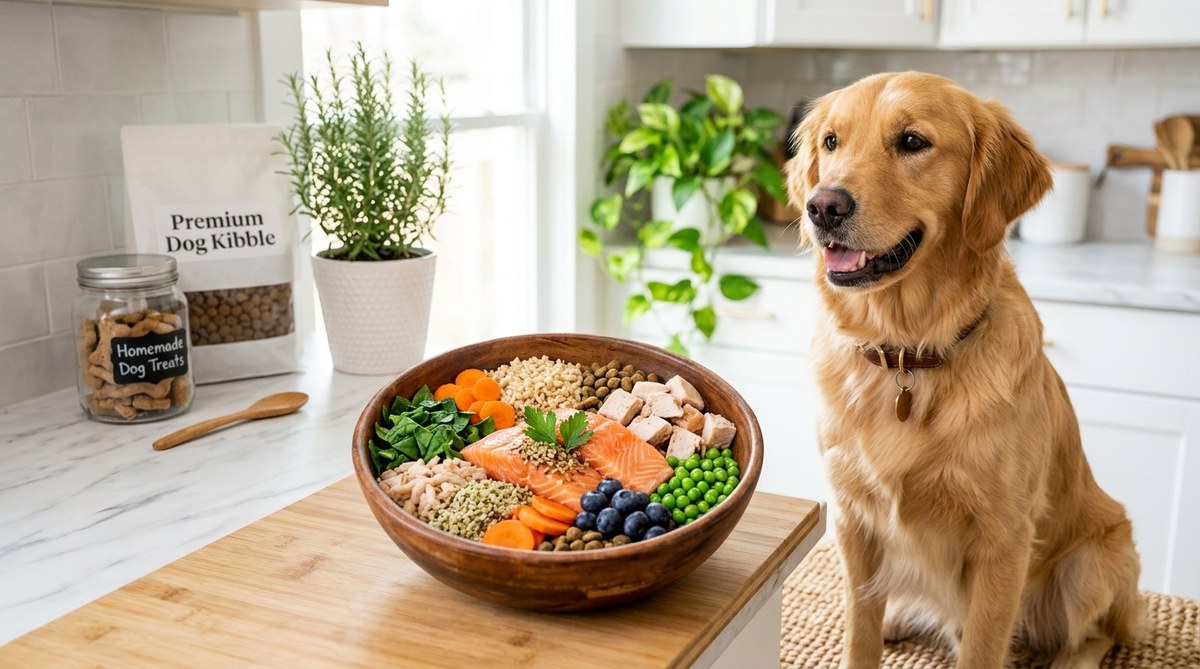
Dogs are more than just pets. They are family members who rely on us to provide the best care possible. Proper nutrition is key to ensuring your dog lives a long, vibrant, and happy life. From choosing the right food to understanding your dog’s unique needs at different life stages, knowing what and how to feed your furry friend makes all the difference. This guide is packed with practical dog nutrition tips to help you nurture your pup with confidence.
Providing a balanced diet tailored to your dog’s age and health needs is essential for their well-being. Focus on quality ingredients, proper portioning, and regular vet guidance to keep your dog energetic, healthy, and happy.
Understanding the Basics of Dog Nutrition
Every dog has unique nutritional needs depending on their age, breed, activity level, and health conditions. But some fundamental principles apply universally. Proper nutrition supports their immune system, maintains a healthy weight, and promotes overall vitality.
Why Good Nutrition Matters for Dogs
Good nutrition is not just about feeding your dog; it is about nourishing them with the right balance of nutrients. When dogs eat well, they have more energy, better coat condition, and a stronger immune system. Poor diet can lead to obesity, allergies, or other health issues that may require extensive veterinary care.
Essential Nutrients for Dogs
Dogs need a variety of nutrients to thrive. These include:
- Proteins for muscle growth and repair
- Fats for energy and coat health
- Carbohydrates for quick energy
- Vitamins and minerals for overall health
- Water to stay hydrated
A balanced diet incorporates all these elements in appropriate amounts. Commercial dog foods are formulated to meet these needs, but you can also prepare nutritious homemade meals with guidance.
Practical Dog Nutrition Tips to Keep Your Dog Healthy
Here are actionable tips to help you optimize your dog’s diet and prevent common pitfalls.
1. Choose the Right Food for Your Dog’s Life Stage
Dogs have different nutritional needs at different ages. Puppies require more protein and calories for growth, while older dogs may need fewer calories but more joint-friendly nutrients. Select food formulated for their specific age group and breed size.
2. Read Labels and Avoid Harmful Ingredients
Always check ingredient lists on commercial foods. Look for high-quality protein sources like real meat or fish, and avoid fillers such as artificial colors, flavors, and preservatives. Be wary of ingredients that are known to cause allergies or sensitivities in some dogs.
3. Portion Control and Feeding Schedule
Feeding your dog the right amount prevents obesity and maintains energy levels. Use measuring cups or scales to serve consistent portions. Establish a regular feeding schedule, typically twice a day, to promote digestion and routine.
4. Incorporate Fresh, Healthy Foods
Adding safe fruits and vegetables can boost your dog’s nutrient intake. Carrots, green beans, blueberries, and apples (without seeds) are healthy options. Remember, some human foods like chocolate, grapes, onions, and garlic are toxic to dogs. Keep them out of reach.
5. Supplement When Needed
Sometimes, dogs benefit from supplements like omega-3 fatty acids or probiotics. Before adding anything extra, consult your veterinarian. Consider natural supplements that support overall health, like those found in
6. Stay Consistent with Veterinary Checkups
Regular vet visits help monitor your dog’s health and nutritional status. Your veterinarian can recommend tailored diet plans, blood tests, or supplements based on your dog’s specific needs.
Common Mistakes in Dog Nutrition and How to Avoid Them
Even well-meaning pet owners can make errors that compromise their dog’s health. Here are typical mistakes and ways to prevent them.
| Technique | Mistakes | Correct Approach |
|---|---|---|
| Feeding | Overfeeding or free-feeding leading to obesity | Measure portions and stick to a schedule |
| Treats | Giving too many unhealthy treats | Limit treats and choose healthy options |
| Diet selection | Relying solely on table scraps | Use balanced, vet-approved commercial or homemade diets |
| Hydration | Not providing enough fresh water | Always have clean water available |
“A balanced diet is the foundation of your dog’s health. Avoid the trap of feeding leftovers or human food without vet approval, as it can upset their nutritional balance,” emphasizes veterinary nutritionist Dr. Lisa Carter.
Recognizing Signs of Nutritional Deficiencies
Watch for signs like dull coat, excessive scratching, weight changes, or lethargy. These may indicate underlying nutritional gaps. Consult your vet for appropriate adjustments.
Tailoring Nutrition for Specific Needs
Different dogs require specialized care to thrive. For example:
- Active breeds may need higher calorie intake and more protein.
- Senior dogs benefit from joint supplements and easier-to-digest foods.
- Dogs with medical conditions like allergies or sensitivities require specific diets.
Adjust feeding routines based on your dog’s unique health profile, with guidance from your veterinarian.
Incorporating Safe Homemade Meals
Preparing homemade dog food can be rewarding and healthy if done correctly. Focus on lean proteins, cooked vegetables, and grains in moderation. Avoid seasoning, onions, garlic, and high-fat ingredients. Always consult your vet before switching to homemade diets to ensure nutritional completeness.
Keeping Your Dog Nutritionally Happy and Healthy
Good nutrition is more than just feeding your dog. It’s about understanding their needs, making informed choices, and maintaining consistency. Regular checkups, careful ingredient selection, and a balanced routine create a foundation for a long, happy life together. Remember that small changes can make a big difference in your dog’s health and happiness.
Nourish with Love and Knowledge
Your dog depends on you for their well-being. By applying these simple, practical dog nutrition tips, you can ensure your furry friend enjoys a life full of vitality and joy. Keep learning, stay attentive to your dog’s needs, and celebrate every moment of their health and happiness.
H2: The key to a joyful, vibrant dog is proper nutrition
Nourishing your dog with a balanced diet tailored to their unique needs is the best gift you can give. Focus on quality ingredients, consistent routines, and regular veterinary guidance. Your effort will reward you with a happy, energetic companion for years to come.