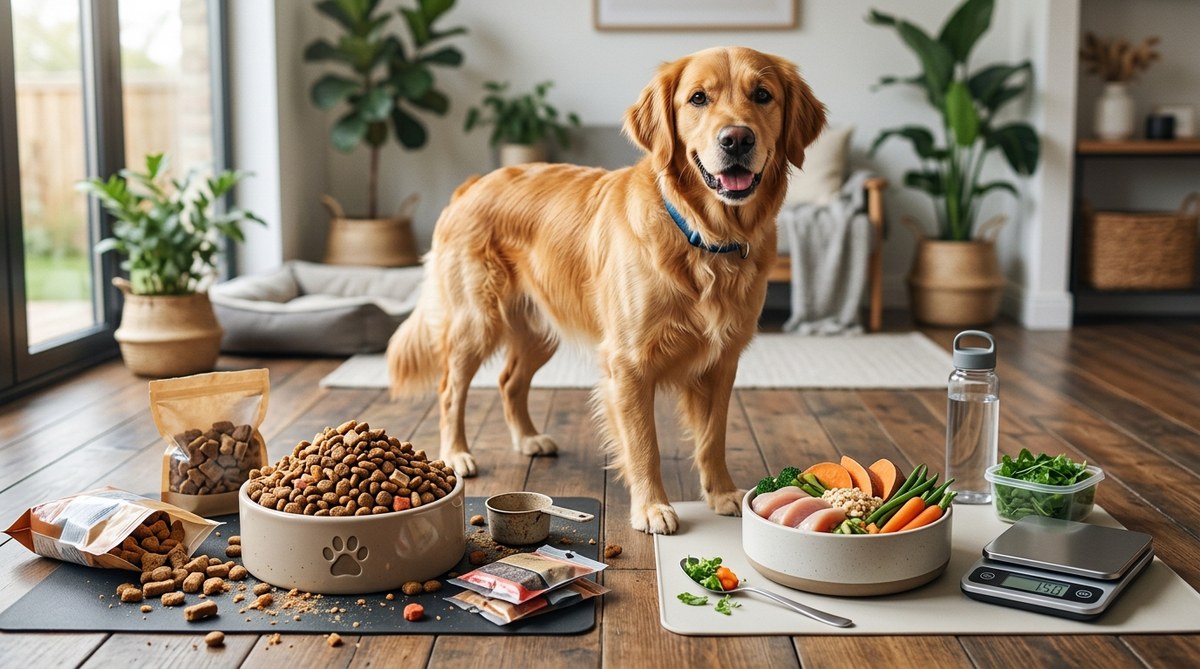
You pour your heart into caring for your dog. You buy the best food, give the warmest belly rubs, and sneak them just one more treat because those eyes are impossible to resist. That extra scoop of kibble or that second biscuit feels like love. But what if that extra bit is actually causing harm? Overfeeding your dog is one of the most common mistakes well meaning owners make, and the consequences go far beyond a few extra pounds. The hidden dangers of overfeeding your dog can shorten their life, damage their organs, and steal their energy.
Overfeeding a dog is not just about weight gain. It leads to silent health problems like joint disease, heart strain, diabetes, and a shorter lifespan. Many owners miss the warning signs because they think their dog is just happy or always hungry. The fix is simple: measure portions, cut treats, and stick to a routine. Your dog will be healthier and live longer with less food than you think.
The real cost of extra kibble
Many owners assume a little extra food is harmless. In reality, the hidden dangers of overfeeding your dog start inside the body long before you see weight gain. Extra calories force the heart to work harder. They inflame the joints. They overload the pancreas, which can lead to insulin resistance and eventually diabetes.
A dog carrying just 10 percent more than their ideal weight is at a much higher risk for health problems. For a 50 pound Labrador, that is only five pounds. That small amount of extra weight can shave years off their life. Studies from veterinary associations show that dogs fed a controlled portion diet live an average of 1.8 years longer than dogs allowed to eat freely. That is a huge difference for a pet you hope to keep by your side as long as possible.
Warning signs you might be overfeeding
You do not need a scale to spot trouble. Watch for these signs that your dog is getting too much food.
- You cannot feel their ribs easily when you run your hands along their sides.
- They have no visible waistline when viewed from above.
- They lag behind on walks or seem short of breath after mild play.
- Their collar needs to be loosened more than once a year.
- They beg constantly, which is often a learned behavior, not true hunger.
- You notice a waddle instead of a trot.
If any of these sound familiar, it is time to check your feeding habits. Your dog may be eating more than their body needs.
The hidden health risks you cannot see
Overfeeding dog dangers are not always visible. Some of the most serious problems develop silently over months or years.
Joint and bone stress. Every extra pound adds pressure to the hips, elbows, and spine. This is especially dangerous for large breeds like German Shepherds and Golden Retrievers. Over time, that extra weight wears down cartilage and leads to painful arthritis. A dog in pain does not always limp. They may just move slower, sleep more, or stop jumping onto the couch.
Organ damage. Fat tissue is not inactive. It releases inflammatory chemicals that damage the heart, kidneys, and liver. Overweight dogs are far more likely to develop heart disease and high blood pressure. The kidneys have to filter more waste from a high calorie diet, which can lead to kidney failure in older dogs.
Diabetes risk. Just like in humans, excess weight can trigger diabetes in dogs. Once a dog develops diabetes, they need daily insulin shots and strict meal schedules. It is a lifelong condition that is largely preventable with proper feeding.
Shorter lifespan. This is the hardest truth. Multiple studies confirm that calorie restriction in dogs extends lifespan. Dogs kept at a lean weight live longer and have fewer chronic diseases in their senior years. The hidden dangers of overfeeding your dog are literally taking time away from your time together.
How much should your dog actually eat?
Portion sizes on dog food bags are often too high. They are calculated for intact adult dogs with high activity, which most house pets do not have. Use this table as a starting point, but always adjust based on your dog’s body condition.
| Dog weight | Typical daily calories (maintenance) | Approximate cups of dry food (varies by brand) |
|---|---|---|
| 10 lbs | 200 to 275 | 1/2 to 3/4 cup |
| 20 lbs | 325 to 400 | 3/4 to 1 cup |
| 30 lbs | 450 to 575 | 1 to 1 1/4 cups |
| 50 lbs | 700 to 900 | 1 1/2 to 2 cups |
| 70 lbs | 900 to 1100 | 2 to 2 1/2 cups |
| 90 lbs | 1100 to 1350 | 2 1/2 to 3 cups |
These numbers are estimates. The best approach is to calculate your dog’s exact needs using a formula based on their ideal weight. For help with this, read our guide on how to calculate your dog’s daily calorie needs for weight management.
A simple plan to fix overfeeding
If you suspect you have been overfeeding, do not panic. You can correct course without making your dog miserable. Follow these steps.
-
Measure every meal. Stop guessing. Use a standard measuring cup or a kitchen scale. Scoop the exact portion your dog needs for their ideal weight, not their current weight.
-
Cut treats by half. Treats should make up no more than 10 percent of daily calories. If you give multiple treats a day, reduce them to one small piece. Swap high calorie biscuits for healthier options like baby carrots, green beans, or a few pieces of plain cooked chicken.
-
Switch to two meals a day. Feeding one large meal can spike blood sugar and leave your dog hungry longer. Split the daily portion into a morning and evening meal. This keeps their metabolism steady and reduces begging.
-
Use a slow feeder bowl. Many dogs scarf down food in seconds. A slow feeder bowl forces them to eat at a normal pace, which helps them feel full on less food.
-
Track body condition weekly. Once a week, feel your dog’s ribs and look at their waistline from above. You want a visible tuck behind the ribs. If you cannot see it, reduce portions slightly.
For more ideas on building a balanced diet, check out our essential tips for creating a balanced homemade dog food diet.
Common mistakes owners make (and how to avoid them)
Even experienced dog owners fall into these traps. Recognize them and steer clear.
| Mistake | Why it is a problem | Better approach |
|---|---|---|
| Leaving food out all day | Dogs eat out of boredom, not hunger | Serve meals at set times, remove bowl after 20 minutes |
| Using the bag’s feeding chart without adjustment | Charts assume high activity | Reduce by 20 to 30 percent for sedentary pets |
| Giving table scraps regularly | High fat and salt content harms organs | Reserve scraps only for rare training moments |
| Feeding based on begging behavior | Begging is often a habit, not need | Ignore begging, reward calm behavior instead |
| Doubling portions for working breeds | Most pet dogs do not work all day | Feed based on actual daily exercise, not breed label |
“The most loving thing you can do for your dog is to keep them lean. A thin dog is a healthy dog. Every extra calorie you skip is a day added to their life.” Dr. Sarah Kline, DVM, veterinary nutrition specialist.
Building a better feeding routine
Consistency is the secret to fixing overfeeding. Dogs thrive on routine. When they know exactly when and how much food is coming, they stop obsessing over it.
Start by choosing a high quality food that matches your dog’s age and size. If you are unsure which brand to pick, take a look at the ultimate guide to choosing the right dog food in 2026. Once you settle on a food, stick with it. Switching brands too often can confuse your dog’s digestion and make portion control harder.
Add healthy variety through low calorie toppers. A spoonful of plain pumpkin puree, a few steamed green beans, or a tablespoon of plain yogurt adds flavor without packing on pounds. You can also try healthy homemade dog treats your pet will love to give rewards without guilt.
Exercise also plays a role. A dog that burns more calories can eat a bit more. But do not use exercise as an excuse to overfeed. The majority of weight management comes from what goes into the bowl, not what happens on the walk.
When to talk to your vet
If you have been overfeeding for months or years, your dog may already have health issues. Schedule a check up if you notice any of these.
- Your dog seems tired after short walks.
- They have trouble jumping into the car or onto the bed.
- They snore or breathe loudly while resting.
- Their skin or coat looks dull and dry.
- They have frequent digestive upset like gas or loose stools.
A veterinarian can run blood work to check for early signs of diabetes, thyroid problems, or organ stress. They can also help you set a target weight and a timeline for reaching it safely.
The truth about love and food
It is natural to want to show love through food. But dogs do not understand calories or portion sizes. They understand routine, attention, and the joy of a walk or a game of fetch. The hidden dangers of overfeeding your dog are real, but they are also completely avoidable.
You do not have to be perfect. You just have to be aware. Measure the food. Count the treats. Watch the body. Your dog will thank you with more energy, a brighter coat, and more years of tail wags.
Start today. Grab a measuring cup. Scoop the right amount. Put the bag away. Then take your dog for a walk instead of giving them a second dinner. That is the kind of love that lasts.