You love your dog. You watch them eat, play, and sleep. But do you watch them drink? Many dogs simply do not drink enough water. They take a tiny lap or two and walk away. You fill the bowl every morning, but it barely looks touched by dinner time.
Dehydration in dogs is sneaky. It can cause low energy, dry gums, and even urinary tract issues. The good news is you do not need to buy a fancy fountain or a new stainless steel bowl. You can help your dog drink more using things you already have at home.
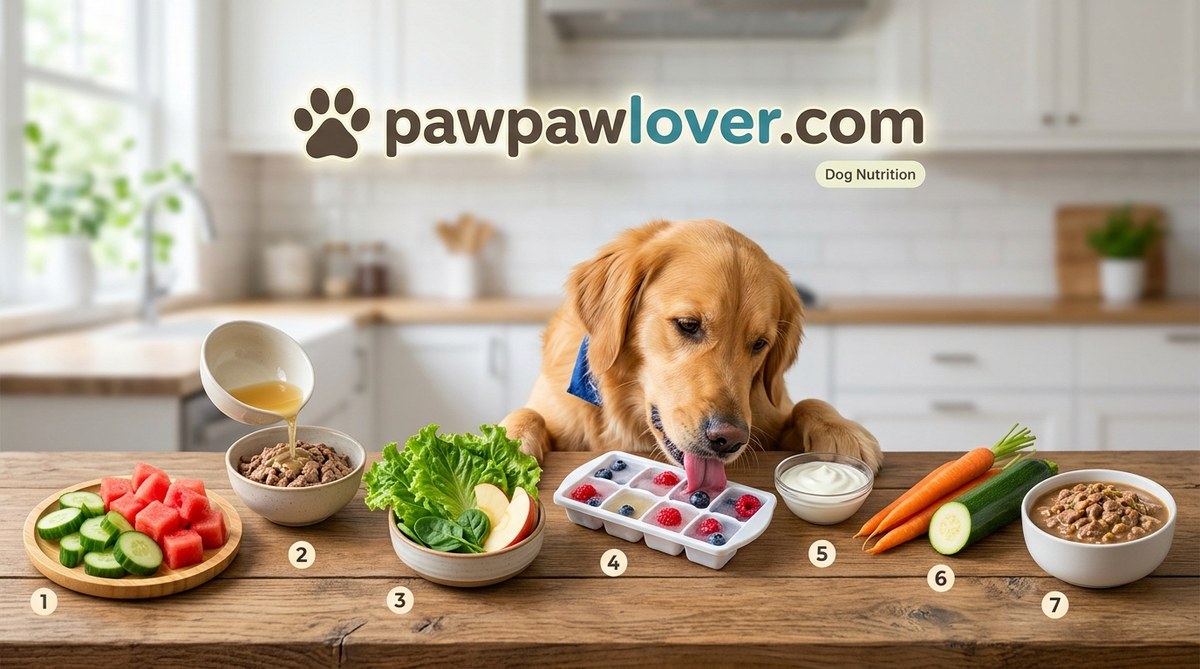
You can boost your dog’s water intake without replacing their bowl. Add low-sodium bone broth or a splash of tuna juice to the water. Offer water-rich fruits like cucumber or watermelon. Use multiple bowls around the house. Clean the bowl daily to remove slime. These small changes can prevent dehydration and keep your dog healthy and happy.
Why Your Dog Might Be Avoiding Their Water Bowl
Before we fix the problem, let us understand it. Dogs are picky. They have sensitive noses and strong opinions about temperature and taste.
Here are the most common reasons a dog refuses to drink:
- Stale water. If the water has been sitting out for more than 24 hours, it may taste flat or develop a film.
- A dirty bowl. Bacteria and slime build up fast. Your dog can smell things you cannot.
- Plastic taste or smell. Some plastic bowls leach odors. Dogs hate this.
- Water temperature. Ice cold water in winter or warm water in summer can turn a dog off.
- Location stress. If the bowl is next to a noisy washing machine or in a high-traffic hallway, your dog may avoid it.
You can solve all of these without buying a new bowl. Let us walk through the seven methods that work.
1. Add a Splash of Flavor to Their Water
The easiest way to get a dog to drink more is to make the water taste interesting. Dogs are motivated by flavor, just like we are.
Try these safe additives:
- Low-sodium chicken or beef broth. Use just a tablespoon per cup of water. Make sure the broth has no onions or garlic. Onions are toxic to dogs.
- Tuna juice. Drain a can of tuna packed in water (not oil). Pour a tablespoon of the juice into the bowl.
- Bone broth for dogs. You can buy bone broth made specifically for pets. It is gentle on the stomach and packed with collagen.
“Adding a small amount of warm, low-sodium broth to your dog’s water can increase their intake by up to 50 percent in the first hour,” says Dr. Karen Shaw, a veterinarian based in Austin, Texas. “Just be sure to change the water every few hours to prevent bacteria growth.”
Keep a separate bowl of plain water available in case your dog wants a break from the flavored version.
2. Serve Water-Rich Foods as a Topper
You can add moisture directly to your dog’s meals. This method works especially well for dogs who eat dry kibble.
Here is a simple process to follow:
- Measure out your dog’s usual portion of kibble.
- Add one-quarter cup of warm water to the bowl.
- Let the kibble soak for two minutes. The water absorbs into the food.
- Stir in a spoonful of plain canned pumpkin or unsweetened applesauce.
- Serve immediately.
The warm water releases the aroma of the kibble. That smell encourages your dog to eat and drink at the same time.
You can also offer these hydrating foods as snacks:
- Cucumber slices (raw, plain)
- Watermelon chunks (no seeds or rind)
- Celery sticks (cut into small pieces)
- Blueberries (fresh or frozen)
- Ice cubes made from bone broth
These foods are low in calories and high in water content. They are perfect for hot days after a walk.
3. Place Multiple Bowls Around the House
Your dog may not want to walk all the way to the kitchen for a drink. If they are comfortable on the couch or in the bedroom, they will skip the water.
Place a second or third bowl in different spots. Good locations include:
- The living room near their favorite bed
- The hallway outside your bedroom
- The backyard patio or deck
- Near their crate (if they are crated during the day)
Use the same bowl style you already own. You do not need to buy anything new. Just move a bowl from the kitchen to another room.
4. Change the Water Twice a Day
This is the simplest tip on the list, and it costs nothing. Most owners fill the bowl once in the morning and forget about it.
Your dog’s water should be changed at least twice daily. Rinse the bowl with hot water each time. If you see any slime or film, scrub it with a sponge and mild dish soap.
A clean bowl makes a huge difference. Dogs can detect bacteria and biofilm that humans cannot see. If the water smells even slightly funky, your dog will turn up their nose.
A good rule of thumb: if you would not drink from that bowl, neither should your dog.
5. Use Ice Cubes as a Treat
Many dogs love ice cubes. The cold texture is fun to chew, and the melting water adds to their hydration.
Drop two or three ice cubes into the bowl. Some dogs will paw at them or pick them up and drop them on the floor. That is fine. The melting ice increases the water level in the bowl.
You can make flavored ice cubes too. Freeze low-sodium broth or a small piece of fruit inside each cube. Your dog will work to get the treat, and they will ingest extra water in the process.
6. Try a Water Additive for Dental Health
Some products are designed to improve both hydration and oral hygiene. Water additives for dogs often contain enzymes that fight plaque and freshen breath.
These additives are flavorless or have a mild meat taste. You simply add a capful to the water bowl. The dog drinks normally, and the additive helps clean their teeth.
This is a great option for dogs who are picky eaters or who have sensitive stomachs. It adds no calories and no real flavor, but it encourages the dog to drink more because the water feels “different.”
If you want to learn more about improving your dog’s health through diet, check out this guide on top natural supplements to boost your dog’s nutrition naturally.
7. Elevate the Bowl or Change Its Location
Sometimes the issue is not the water but the bowl’s position. Dogs with arthritis or neck pain may find it uncomfortable to bend down to floor level.
If your dog is older or has mobility issues, try placing the bowl on a low stand or a stack of books. The bowl should be at chest height for your dog. This reduces strain and makes drinking easier.
You can also move the bowl away from walls and corners. Dogs can feel trapped when they have to drink in a tight space. Place the bowl in an open area where your dog can approach from any side.
A Quick Reference Table
Here is a comparison of techniques that work and common mistakes to avoid.
| Technique | Why It Works | Common Mistake |
|---|---|---|
| Adding broth | Adds flavor and smell | Using broth with onion or garlic powder |
| Water-rich foods | Increases moisture intake | Feeding grapes, raisins, or toxic fruits |
| Multiple bowls | Reduces effort to find water | Placing bowls near litter boxes or loud appliances |
| Twice-daily changes | Keeps water fresh and cool | Forgetting to scrub the bowl clean |
| Ice cubes | Makes drinking fun | Giving too many cubes at once (can cause brain freeze) |
| Water additives | Encourages sipping throughout the day | Using a product with artificial sweeteners like xylitol |
| Elevated bowl | Helps senior dogs drink comfortably | Using a stand that is too tall or too short |
How to Tell If Your Dog Is Already Dehydrated
Before you start these tips, check if your dog is actually dehydrated. Some dogs are fine even if they seem to drink little.
Look for these signs:
- Dry, sticky gums
- Loss of skin elasticity (gently pinch the skin on their back; if it does not snap back, they are dehydrated)
- Sunken eyes
- Lethargy or weakness
- Panting excessively
If your dog shows any of these signs, start with method one (flavored water) and method two (water-rich foods) immediately. Then call your vet if symptoms do not improve within 24 hours.
When to Avoid Certain Hydration Tricks
Not every trick works for every dog. Some dogs have medical conditions that require caution.
- Dogs with kidney disease should not have added sodium. Use plain water or unsalted broth only.
- Dogs with diabetes should avoid fruits like watermelon. Stick to cucumber or celery.
- Puppies under 12 weeks may have sensitive stomachs. Introduce broth slowly.
- Dogs with a history of bloat should not soak kibble for too long. Soak for just one minute.
When in doubt, ask your veterinarian. They can advise you on the best hydration strategy for your dog’s specific health needs.
If you are also working on improving your dog’s overall diet, you might enjoy this article on essential tips for creating a balanced homemade dog food diet.
Build a Hydration Routine That Sticks
The best way to keep your dog hydrated is to make it a habit. You already feed them at the same times each day. Add water checks to that routine.
Here is a simple daily plan:
- Morning: Wash the bowl. Fill with fresh water. Add a splash of broth or an ice cube.
- Noon: Check the bowl. Rinse and refill if it looks low.
- Evening: Offer a water-rich snack like cucumber or frozen blueberries.
- Night: Wash the bowl again. Fill with fresh water for overnight.
This routine takes about two minutes total. It costs nothing extra. And it can prevent serious health problems down the road.
Your Dog’s Water Bowl Can Stay Right Where It Is
You do not need a fountain. You do not need a ceramic bowl or a copper bowl. You do not need to spend fifty dollars on a gadget.
You just need to make the water more appealing. A little broth, a few ice cubes, a clean bowl, and a second location. That is all it takes.
Your dog will thank you with more energy, a shinier coat, and fewer trips to the vet. Start with one method today. Try the broth trick tonight at dinner. See if your dog takes a few extra laps. It is a small change with a big payoff.
For more ideas on keeping your dog healthy and happy, take a look at these healthy homemade dog treats your pup will love. Hydration and nutrition go hand in paw.