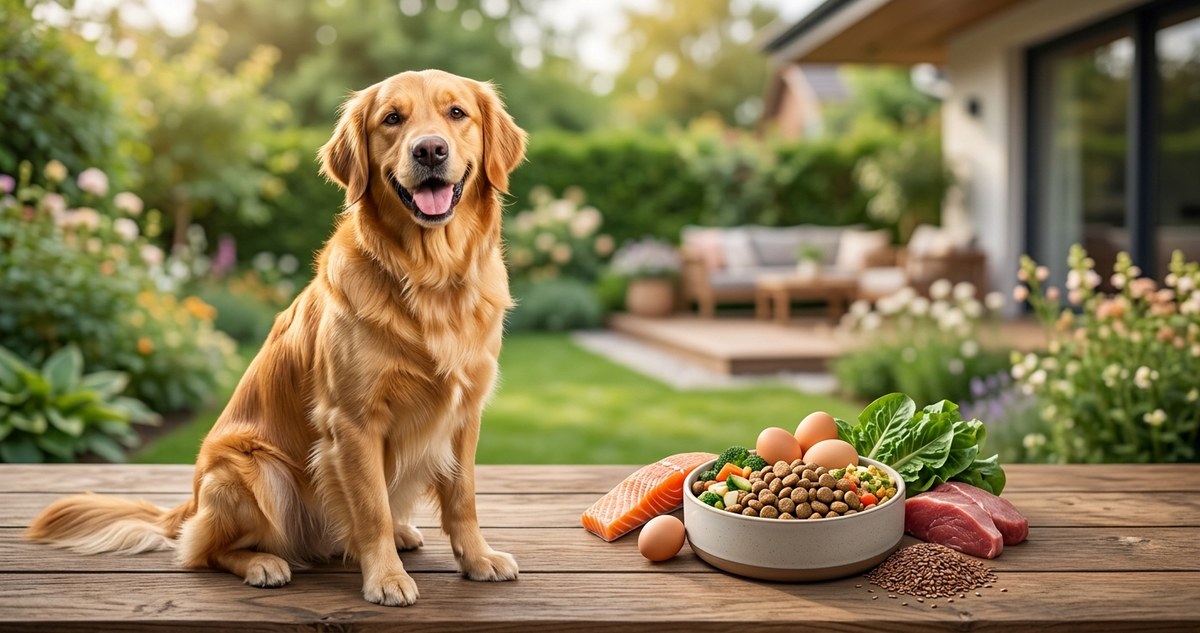
Your dog’s coat used to shine like a polished penny. Now it looks flat, feels rough, and leaves you wondering what changed. You are not alone. Many owners notice this shift, especially as their dog moves past the puppy years. The good news is that a dull coat is often a sign your dog is missing key nutrients, not a permanent condition. By pinpointing the nutrition gaps, you can bring back that healthy glow from the inside out.
A dull coat in dogs almost always points to a nutrition problem. The five most common gaps are low quality protein, a shortage of omega-3 fatty acids, zinc deficiency, lack of vitamin E, and poor gut health. Fixing these gaps with whole food ingredients or targeted supplements can restore coat shine in as little as four to six weeks. Start with one change at a time and watch your dog’s coat transform.
The Link Between Diet and a Shiny Coat
Your dog’s skin and fur are the largest organs in their body. They also act as a report card for internal health. When a dog is not getting enough of the right nutrients, the body prioritizes vital organs over the coat. That means less oil production, weaker hair follicles, and slower regrowth. The result is a dry, brittle, and dull appearance.
A study from the Journal of Veterinary Internal Medicine found that dogs on low quality commercial diets showed significantly poorer coat condition compared to dogs eating balanced, whole food diets. The difference was visible within three months. Your dog’s coat is not just about looks. It is a window into their overall wellness.
5 Nutrition Gaps That Cause a Dull Coat
1. Low Quality Protein
Protein is the building block of hair. Each strand of fur is made of keratin, a protein. If your dog’s food uses low quality protein sources like by products or fillers, the body cannot build strong fur. Look for named protein sources on the label such as chicken, beef, or salmon. Avoid generic terms like “meat meal” or “animal digest.”
Aim for a food that lists a real protein as the first ingredient. If your dog is older, their protein needs may actually increase. Senior dogs often need more digestible protein to maintain muscle and coat health. For more on building a solid diet foundation, check out our guide on essential nutritional tips to keep your dog healthy and happy.
2. Shortage of Omega-3 Fatty Acids
Omega-3s are the star players for skin and coat health. They reduce inflammation, support oil production, and keep fur soft. Many commercial dog foods are low in omega-3s because the fats degrade during processing. Dogs fed kibble often miss out on these essential fats.
The best sources are fish oils from salmon, sardines, or anchovies. Flaxseed oil is a plant based option, but dogs convert it less efficiently. Adding a fish oil supplement to your dog’s bowl can make a visible difference in about four weeks. For a deeper look, read our article on is your dog getting enough omega-3s here’s what you need to know.
3. Zinc Deficiency
Zinc plays a role in cell division and protein synthesis, both critical for fur growth. A zinc deficiency can lead to hair loss, dry skin, and a dull coat. This mineral is often lacking in grain heavy diets because grains contain phytates that block zinc absorption.
Good sources of zinc include beef, lamb, pumpkin seeds, and eggs. If you feed homemade meals, make sure you are including zinc rich ingredients. If you use commercial food, check that the label includes a chelated form of zinc for better absorption.
4. Lack of Vitamin E
Vitamin E is a powerful antioxidant that protects skin cells from damage. Without enough vitamin E, your dog’s skin becomes dry and flaky, and the coat loses its natural luster. This vitamin is especially important for dogs with allergies or environmental sensitivities.
You can find vitamin E in sunflower seeds, spinach, and wheat germ oil. Many high quality dog foods add vitamin E as a preservative, but the levels may not be high enough for optimal coat health. Adding a vitamin E rich topper can help.
5. Poor Gut Health
The gut and skin are connected. When your dog’s digestive system is out of balance, it affects nutrient absorption. Even if you feed the perfect diet, a leaky gut or imbalanced microbiome can prevent those nutrients from reaching the fur.
Probiotics and prebiotics support a healthy gut. Fermented foods like plain yogurt (no sugar added) or kefir can help. So can pumpkin puree and bone broth. For a full guide on digestive health, see our page on essential tips for maintaining your dog’s digestive health.
How to Spot a Nutrition Gap (Before It Shows on the Coat)
Sometimes the coat is the last place you notice a problem. Watch for these early signs:
- Dry, flaky skin when you part the fur
- Excessive shedding outside of normal seasonal shedding
- A greasy or rancid smell on the skin
- Dandruff like flakes on the bedding
- Slow regrowth after a grooming session
If you see any of these, a nutrition gap is likely the cause.
A Practical 4 Step Plan to Fix Your Dog’s Coat
Follow these steps in order. Do not try to fix everything at once. Your dog’s system needs time to adjust.
-
Upgrade the protein source. Switch to a food with a named animal protein as the first ingredient. If you feed homemade food, rotate proteins like chicken, beef, and fish to cover amino acid profiles.
-
Add an omega-3 supplement. Start with a fish oil designed for dogs. Give the recommended dose for two weeks. Look for a brand that tests for heavy metals.
-
Check the zinc and vitamin E levels. Read the guaranteed analysis on your dog’s food. For zinc, look for at least 120 mg per kg of food. For vitamin E, aim for at least 100 IU per kg. If levels are low, add a topper.
-
Support the gut. Introduce a probiotic powder or a tablespoon of fermented vegetables. Monitor your dog’s stool for the first week.
Common Mistakes That Keep the Coat Dull
Even with good intentions, some habits can undo your progress. Here is a table of what to avoid and what to do instead.
| Mistake | Why It Hurts | Better Approach |
|---|---|---|
| Over bathing | Strips natural oils from the skin and fur | Bathe once a month unless your vet says otherwise |
| Using human shampoo | Wrong pH balance irritates the skin | Use a shampoo formulated for dogs |
| Feeding too many treats | Unbalances the diet and crowds out nutrients | Limit treats to 10 percent of daily calories |
| Ignoring water intake | Dehydration dries out skin and fur | Ensure fresh water is always available; add water to kibble |
| Skipping parasite prevention | Fleas and mites cause itching and hair loss | Keep up with monthly preventatives |
Veterinary insight: Dr. Sarah Klein, a canine nutrition specialist, says, “I see dull coats most often in dogs eating ultra processed kibble with no whole food additions. Adding a single sardine or a teaspoon of fish oil to their dinner can reverse the problem in under a month. The coat is the fastest healing tissue in the body when given the right fuel.”
When to Consider Supplements
Whole food is always the first choice. But some dogs need extra help. Senior dogs, dogs with allergies, and dogs on restricted diets often benefit from supplements. Here are the three most effective ones for coat health.
- Fish oil for omega-3s
- Zinc picolinate for better absorption
- Vitamin E oil added to food
For a complete list of options, visit our page on top natural supplements to boost your dog’s nutrition naturally.
What to Expect After Changing the Diet
Do not expect overnight results. Hair growth cycles take time. Here is a realistic timeline.
- Week 1 to 2: You may notice less shedding and a softer feel when you pet your dog.
- Week 3 to 4: The coat starts to look less dry. You might see new shine on the back and shoulders.
- Week 5 to 6: Full improvement is visible. The coat should feel smooth, look glossy, and have a healthy bounce.
If you do not see changes after six weeks, check for underlying health issues like thyroid problems or allergies. Your vet can run a blood test to confirm.
Bringing Shine Back to Your Dog’s Life
Your dog’s coat does not have to stay dull. The fix is simpler than you think. Focus on protein quality, omega-3s, zinc, vitamin E, and gut health. Make one change this week. Maybe it is adding a spoonful of sardines to dinner. Maybe it is switching to a better food. Whatever you choose, your dog will thank you with a softer, shinier coat and a happier bounce in their step.
If you want to take it a step further, try making your own meals. Our guide on essential tips for creating a balanced homemade dog food diet can help you get started. You have everything you need to turn that dull coat around. Start today and watch the transformation happen.