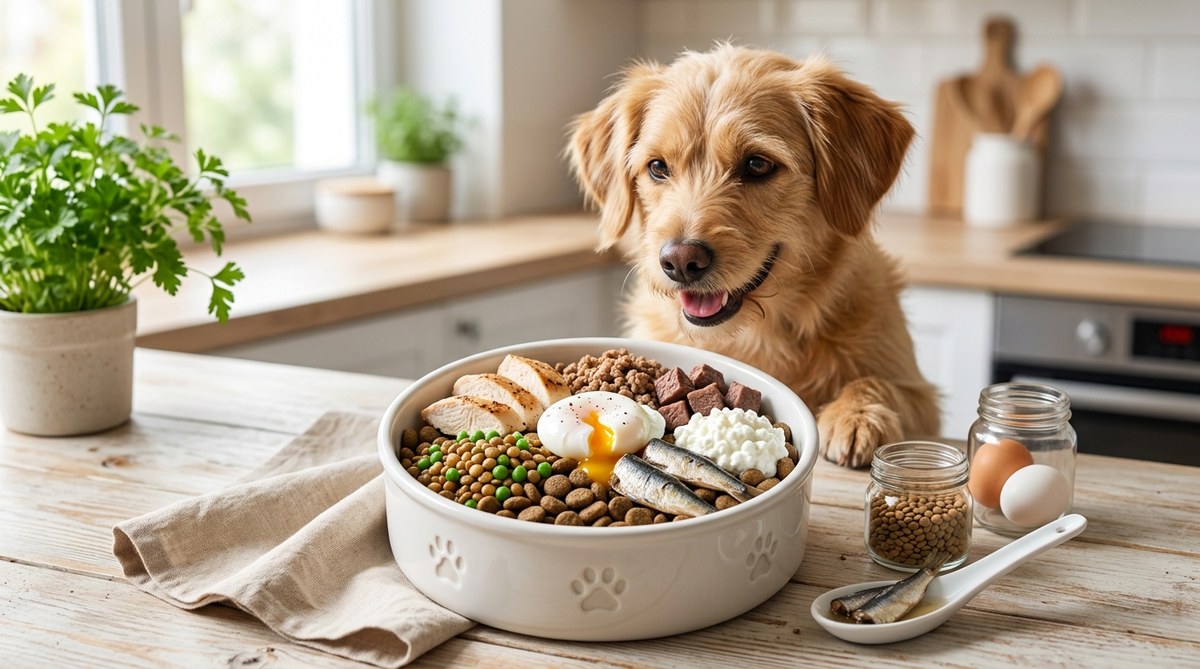
Your dog’s bowl might look full, but is it packed with the protein they need to stay strong and energetic? Many commercial kibbles rely on fillers that leave your pup short on quality amino acids. The good news is that boosting your dog’s protein intake does not require expensive supplements or a second mortgage. With a few smart swaps and kitchen staples, you can give your dog a nutrient rich meal every single day.
You do not need fancy powders or pricey meat cuts to add protein to your dog’s meals. Eggs, plain yogurt, canned fish, and cooked lean meats are affordable options that work with almost any diet. Start with one simple addition, watch your dog’s energy improve, and adjust portions based on their size and activity level. Small changes add up to big health benefits.
Why Your Dog Needs More Protein
Protein is the building block for muscles, skin, coat, and even your dog’s immune system. When a dog does not get enough protein, you might notice dull fur, low energy, or slower recovery after exercise. Active breeds, growing puppies, and senior dogs often need a little extra help meeting their protein goals.
According to the American Kennel Club, adult dogs need at least 18 percent protein in their diet, while puppies require around 22 percent. Many budget-friendly kibbles barely meet the minimum. That is where these simple additions come in.
Simple Protein Additions You Can Use Today
Here are seven easy ways to add protein to your dog’s bowl without breaking your budget.
1. Eggs Are a Perfect Protein Boost
Eggs are one of the most affordable and complete protein sources you can find. One large egg contains about six grams of protein, plus essential amino acids.
How to serve eggs to your dog:
– Boil an egg until hard cooked, then let it cool.
– Peel the shell and chop the egg into small pieces.
– Mix it right into your dog’s regular kibble or wet food.
Do not add salt, butter, or oil. Plain eggs are best. You can also scramble an egg in a nonstick pan with no added fat. Serve it alongside their meal two to three times per week.
2. Plain Yogurt Adds Protein and Probiotics
Plain, unsweetened yogurt is a great source of protein and live probiotics that support digestion. A half cup of plain Greek yogurt contains around 10 grams of protein.
Check the label carefully. Avoid yogurts with added sugar, artificial sweeteners like xylitol, or fruit flavors. Xylitol is toxic to dogs. Stick to plain, full fat yogurt for the best protein content.
Start with one tablespoon for small dogs and up to a quarter cup for larger breeds. Mix it into their food or serve it as a topper.
3. Canned Fish Like Sardines or Mackerel
Canned fish is a budget friendly way to add protein and healthy omega 3 fatty acids. Sardines packed in water or their own natural oils are ideal.
Drain the fish and remove any visible bones. Mash it up and mix it into your dog’s bowl. A small can of sardines contains roughly 20 grams of protein. You can split one can across two or three meals.
Avoid fish packed in oil, salt, or sauces. Stick to water packed or natural juice options.
4. Cooked Lean Meats Like Chicken or Turkey
Leftover chicken, turkey, or lean beef can become a protein rich addition to your dog’s dinner. When you cook a roast or bake chicken breasts, set aside a small portion without seasoning.
Shred or dice the meat into bite sized pieces. Add a few tablespoons to your dog’s kibble. This works especially well for picky eaters who need encouragement to finish their bowl.
Do not feed your dog raw meat unless you are following a carefully planned raw diet. Always cook meat plain, without garlic, onion, or salt.
5. Cottage Cheese Is a Low Fat Protein Source
Cottage cheese is low in fat and high in protein. A half cup of low fat cottage cheese contains about 14 grams of protein. It is also soft and easy to mix into food.
Choose plain cottage cheese with no added fruit or flavorings. Stir a spoonful into your dog’s wet food or kibble. This is a good option for dogs with sensitive stomachs because it is gentle on digestion.
6. Unsalted Peanut Butter for a Protein Rich Treat
Peanut butter is a classic dog favorite, and it also provides protein and healthy fats. Look for natural peanut butter with no added sugar, salt, or xylitol.
Spread a thin layer on a spoon or mix a small amount into their food. One tablespoon has about four grams of protein. Use it sparingly because it is calorie dense.
Always check the ingredient list. Some brands add xylitol as a sweetener, which is dangerous for dogs.
7. Organ Meats Like Liver or Kidney
Organ meats are nutrient dense and often very cheap at grocery stores or butcher shops. Chicken liver, beef liver, and kidney are packed with protein, iron, and vitamins.
Cook the organ meat thoroughly. Do not feed it raw. Chop it into small pieces and mix it into your dog’s meal. Start with small amounts because organ meat is rich and can cause loose stools if you give too much too soon.
A single chicken liver contains about four grams of protein. One serving per week is plenty for most dogs.
How to Safely Add Protein to Your Dog’s Bowl
Follow these simple steps to make sure your dog stays healthy while you add more protein.
- Start with one new protein source at a time. This helps you notice if your dog has a reaction or upset stomach.
- Introduce the new food slowly. Mix a small amount into their regular meal for the first few days.
- Watch for changes in stool, energy, or coat condition. These are signs that the new protein agrees with your dog.
- Adjust portion sizes based on your dog’s weight and activity level. A 10 pound dog needs less added protein than a 60 pound retriever.
- Keep total protein from treats and toppers under 10 percent of daily calories to maintain a balanced diet.
Common Mistakes to Avoid When Adding Protein
| Mistake | Why It Is a Problem | Better Alternative |
|---|---|---|
| Feeding raw eggs or meat | Risk of salmonella or bacteria | Cook eggs and meat thoroughly |
| Using flavored yogurt | Added sugar or xylitol can harm dogs | Choose plain, unsweetened yogurt |
| Adding too much protein at once | Can cause diarrhea or kidney strain | Introduce one new food slowly |
| Giving salted or seasoned meats | High sodium is bad for dogs | Cook meat plain with no seasoning |
| Using peanut butter with xylitol | Xylitol is toxic to dogs | Check labels carefully for xylitol |
“Protein is essential for every cell in your dog’s body, but more is not always better. A balanced approach with whole food sources is safer and more effective than relying on supplements alone.” Dr. Sarah Mahan, veterinarian and canine nutrition specialist
When to Talk to Your Vet
Some dogs have specific health conditions that require careful protein management. If your dog has kidney disease, liver issues, or a history of pancreatitis, check with your vet before making changes. Pregnant or nursing dogs also have unique nutritional needs.
For most healthy dogs, adding a small amount of whole food protein is safe and beneficial. If you notice vomiting, diarrhea, or itching after introducing a new protein, stop feeding it and call your veterinarian.
Build a Protein Rich Routine That Works for You
You do not need to overhaul your dog’s entire diet overnight. Pick one or two protein sources from the list above and try them this week. See how your dog responds. You might notice more energy at playtime, a shinier coat, or better appetite at mealtime.
For more ideas on building a balanced homemade diet, check out our guide on essential tips for creating a balanced homemade dog food diet. If you want to learn about other natural boosters, read our article on top natural supplements to boost your dog’s nutrition naturally.
Your Dog’s Health Starts with Simple Choices
Adding protein to your dog’s bowl does not have to be complicated or expensive. A boiled egg here, a spoonful of yogurt there, and a few sardines from the pantry can transform a mediocre meal into a protein packed dinner. Your dog does not care about fancy packaging or trendy ingredients. They care about taste, texture, and feeling good after they eat.
Start small. Stay consistent. Watch your dog thrive. That is the whole goal, and you can achieve it with items you probably already have in your kitchen.