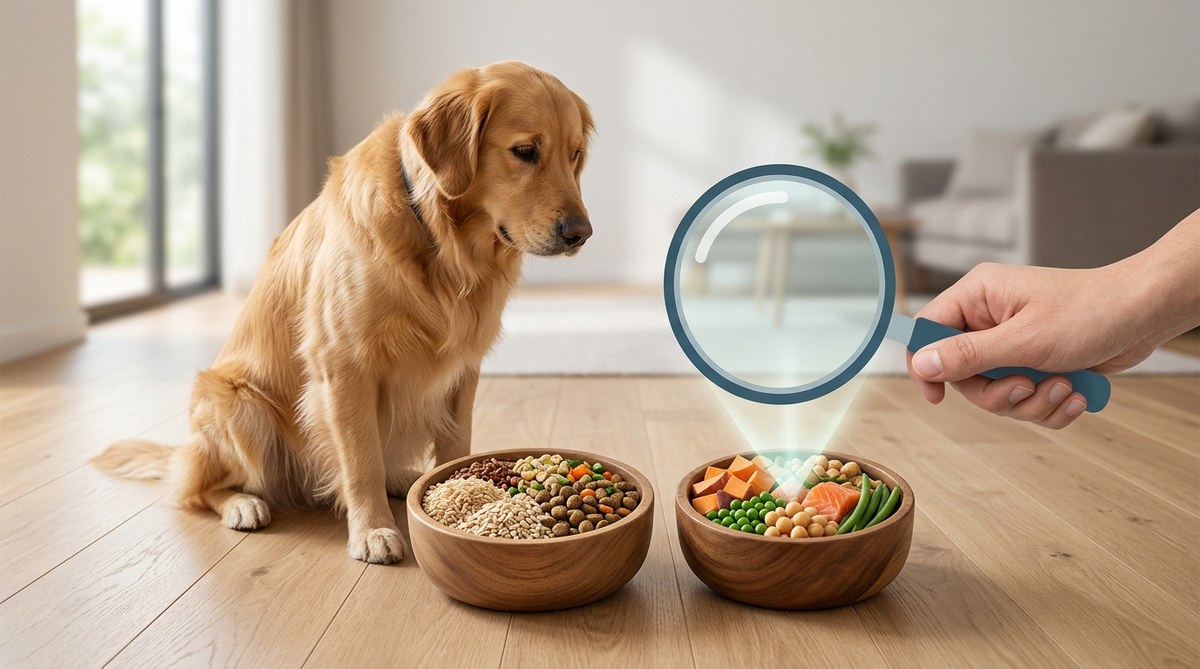
Grain-free dog food has become a fixture in pet store aisles, and many owners believe it is a healthier choice. But the truth is more nuanced. Some dogs thrive on grain-free recipes, while others face real health risks. Before you switch your dog’s bowl, it helps to separate marketing from science.
A grain-free diet for dogs can help manage food allergies and improve digestion in sensitive pups, but it is not automatically better than a diet with grains. Research links certain grain-free formulas to a potential rise in canine dilated cardiomyopathy (DCM). Work with your veterinarian to decide if grain-free is right for your dog, and always choose a complete and balanced recipe.
What Exactly Is Grain-Free Dog Food?
Grain-free dog food replaces traditional grains like wheat, corn, rice, barley, and oats with alternative carbohydrate sources. Common substitutes include:
- Sweet potatoes
- Potatoes
- Peas and lentils
- Chickpeas
- Tapioca
- Pea starch
These ingredients provide the same energy from carbohydrates but without the cereal grains. Proponents argue that dogs in the wild did not eat grains, so modern dogs do not need them. However, domestic dogs have evolved alongside humans for thousands of years and can digest grains just fine in most cases.
The real question is not whether grains are natural, but whether your individual dog benefits from avoiding them.
Why Some Owners Choose a Grain-Free Diet
Many owners switch to a grain-free diet for dogs based on these perceived benefits:
- Food allergies or sensitivities: Some dogs are allergic to specific grains, especially wheat or corn. Symptoms include itchy skin, ear infections, and gastrointestinal upset.
- Improved digestion: Grain-free formulas often use more digestible starches like sweet potato, which can be easier on a sensitive stomach.
- Higher protein content: Many grain-free recipes replace grains with meat-based protein, which can support muscle maintenance and energy levels.
- Dogs with diabetes or weight issues: A lower carbohydrate profile (though not always) may help manage blood sugar or prevent obesity.
That said, true grain allergies are relatively rare. Most dogs with food allergies react to animal proteins like chicken, beef, or dairy, not grains.
The DCM Concern: What Every Owner Should Know
In 2018, the FDA began investigating a possible link between grain-free diets and dilated cardiomyopathy (DCM) in dogs. DCM is a serious heart condition that weakens the heart muscle and can lead to heart failure. Initially, the concern focused on diets containing high proportions of peas, lentils, and potatoes.
The exact cause is still under study, but leading theories include:
- A deficiency or imbalance of the amino acid taurine
- Interference with taurine absorption due to certain ingredients
- Low levels of other nutrients like L-carnitine
Expert advice from Dr. Lindsey Bullen, board-certified veterinary nutritionist: “If you are considering a grain-free diet for dogs, especially for a large or giant breed, ask your vet to check a taurine level. Breeds like Golden Retrievers, Dobermans, and Great Danes appear to be at higher risk. A simple blood test can help catch a problem early.”
The FDA’s investigation is ongoing, and while many grain-free products now add taurine supplements, the evidence remains inconclusive. The safest approach is to rotate between diets or stick with a food that meets World Small Animal Veterinary Association (WSAVA) guidelines.
Who Should Actually Eat Grain-Free?
A grain-free diet is not for every dog, but it can be beneficial in specific cases:
- Dogs with confirmed grain allergies (diagnosed through a food trial or allergy test)
- Dogs with inflammatory bowel disease (IBD) that respond better to novel carbohydrate sources
- Pets with certain genetic predispositions that require a low-grain carbohydrate profile (rare)
For average, healthy dogs, grains are a nutritious and affordable energy source. Whole grains provide fiber, vitamins, and minerals. Removing them without a medical reason can lead to unnecessary dietary restrictions.
Who Should Avoid Grain-Free Diets?
- Puppies: Their developing hearts and bodies need balanced nutrition. Many grain-free diets have not been tested for growth stages.
- Large and giant breed dogs: They are at higher risk for DCM and nutrient deficiencies.
- Dogs with a history of heart problems: Avoid adding more variables that could affect cardiac health.
- Dogs on a budget: Grain-free foods often cost more without added benefit.
How to Transition Your Dog to a Grain-Free Diet (or Away From One)
If you and your vet decide a grain-free diet for dogs is the right move, follow these steps to avoid stomach upset:
- Start small: Replace 25% of your dog’s current food with the new grain-free option. Use the same number of meals.
- Observe for two days: Watch for loose stool, gas, or vomiting. If all is well, proceed.
- Increase to 50%: Mix half old food, half new food for the next three days.
- Go to 75%: Keep the ratio for another three days.
- Switch fully: After a full week, you can feed 100% grain-free.
If your dog develops diarrhea or refuses to eat, slow down the process or consult your vet.
Common Myths vs. Facts About Grain-Free Diets
| Myth | Fact |
|---|---|
| Grain-free means low carbohydrate | Many grain-free diets use potatoes and peas, which are high in starch. Some have more carbs than grain-based foods. |
| All dogs are allergic to grains | True food allergies to grains affect less than 10% of dogs with food allergies. Most react to animal proteins. |
| Grain-free food is more natural | Dogs have lived with humans for millennia and domesticated themselves by eating our scraps, which included grains. |
| Grain-free prevents obesity | Calories still matter. Grain-free food can be just as calorie-dense as any other diet. |
| Grain-free causes DCM in all breeds | DCM risk appears breed- and ingredient-dependent. Small dogs and mixed breeds may be less affected. |
Signs Your Dog Might Not Tolerate Their Current Diet (Grain or Grain-Free)
Whether your dog eats grains or not, watch for these red flags:
- Chronic itching, paw licking, or ear infections
- Soft stool or frequent diarrhea
- Excessive gas or bloating
- Dull coat or hair loss
- Lethargy or poor appetite
- Repeated vomiting
These signs could indicate a food sensitivity, but they can also be caused by other health issues. A visit to your vet is the best first step.
Building a Balanced Diet Around Grain-Free Options
If you settle on a grain-free diet for dogs, ensure it is complete and balanced. Look for a statement from the Association of American Feed Control Officials (AAFCO) that says the food meets nutritional standards for your dog’s life stage.
You can also complement a commercial grain-free kibble with limited ingredients from home. For example, adding a small amount of cooked lean meat or vegetables can boost palatability and nutrients. But do not create a home-cooked meal without guidance. A poorly balanced homemade diet can lead to serious deficiencies.
For those interested in making their own meals, check out our guide on Essential Tips for Creating a Balanced Homemade Dog Food Diet. It includes safe ingredient ratios and supplementation advice.
If your dog needs extra nutritional support, consider Top Natural Supplements to Boost Your Dog’s Nutrition Naturally. Always run supplements by your veterinarian first.
What the Experts Recommend for 2026
As of 2026, the veterinary community generally advises owners not to fear grains. Most dogs do well on a high-quality diet that includes whole grains. If you do choose grain-free, opt for a brand that participates in feeding trials and follows WSAVA guidelines. Avoid the cheapest generic options, which may rely heavily on legumes and potatoes without proper taurine supplementation.
If your dog has been on a grain-free diet for years without issues, there is no need to panic. Yearly veterinary checkups, including a heart assessment, can keep things on track.
Your Next Step: Making a Confident Choice
There is no one-size-fits-all answer to the grain-free question. Some dogs truly benefit from it, while others need the fiber and nutrients that grains provide. The best decision comes from combining your own observations with professional advice.
Start by talking to your veterinarian. Ask for a food trial if you suspect allergies, or request a taurine test if your dog is a high-risk breed. Then, choose a food that matches your dog’s unique needs and your budget.
For more help picking the right food this year, read our The Ultimate Guide to Choosing the Right Dog Food in 2026. And if you decide to include some homemade meals, our Wholesome Homemade Dog Meal Ideas for Busy Pet Owners can get you started.
Your dog trusts you with its bowl. With the right information, you can feed with confidence and love.