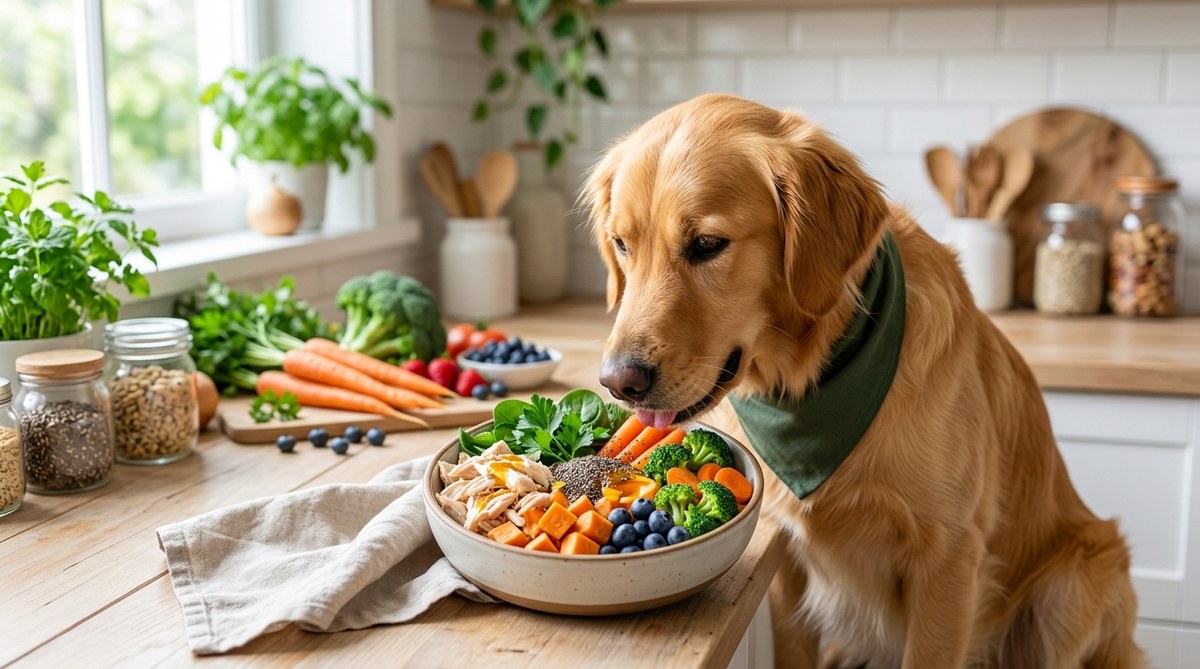
Your dog’s immune system works hard every day. It fights off germs, helps heal wounds, and keeps your pup feeling energetic. Just like in people, what your dog eats plays a huge role in how well that defense system functions. The good news? You can make a real difference by choosing the right ingredients. This guide walks you through the most effective dog immune system strengthening foods and shows you exactly how to add them to your dog’s bowl.
A dog’s immune system thrives on whole, nutrient-dense foods. Prioritize lean proteins like turkey and salmon, antioxidant-rich produce such as blueberries and spinach, and fermented foods for gut health. Avoid over-supplementing and always introduce new foods slowly. A balanced diet with variety is the safest path to a stronger immune response for your dog.
Why Diet Matters for Your Dog’s Immune System
The immune system relies on a steady supply of vitamins, minerals, and antioxidants. These nutrients help white blood cells do their job, reduce inflammation, and repair cell damage. Without them, your dog is more vulnerable to infections, allergies, and chronic disease.
Many commercial dog foods are formulated to meet basic nutritional requirements, but they often fall short on the variety of phytonutrients and bioactive compounds that truly support immunity. That’s where adding fresh, whole foods comes in.
If you are considering a more complete nutritional overhaul, check out our guide on essential nutritional tips to keep your dog healthy and happy. It covers the foundational principles of a balanced diet.
Top Foods to Boost Your Dog’s Immune System Naturally
Not all foods are created equal. Some ingredients pack a powerful punch when it comes to supporting canine immunity. Below is a table comparing the best options, their key nutrients, and how they help.
| Food | Key Immune Nutrients | Best Way to Serve |
|---|---|---|
| Blueberries | Vitamin C, anthocyanins, fiber | Fresh or frozen, mashed or whole (for small dogs, halved) |
| Sardines (canned in water) | Omega-3 fatty acids, vitamin D, selenium | Serve plain, no salt, once or twice a week |
| Bone broth | Collagen, glycine, glutamine | Homemade or low-sodium store bought, warm or over kibble |
| Pumpkin (plain canned) | Beta-carotene, zinc, fiber | 1-2 tablespoons per meal, depending on size |
| Spinach | Iron, vitamins A and K, flavonoids | Lightly steamed to reduce oxalates, chopped |
| Plain yogurt or kefir | Probiotics, calcium, B vitamins | Unsweetened, 1 tablespoon per 10 lbs of body weight |
| Turkey (lean, cooked) | Tryptophan, selenium, B6 | Ground or diced, no skin or seasoning |
| Carrots | Beta-carotene, vitamin A | Raw or steamed, cut into bite-size pieces |
“The best way to support immunity through diet is to offer a variety of whole foods rather than relying on a single supplement. Diversity in nutrients mirrors the diversity of microbes in the gut, which is the cornerstone of immune health.” – Dr. Amy Johnson, DVM, CVA
If you want to take things a step further, consider learning about top natural supplements to boost your dog’s nutrition naturally. But remember: food first, supplements second.
How to Add These Foods to Your Dog’s Diet
Adding immune-boosting foods doesn’t have to be complicated. Follow this simple process to get started safely.
-
Pick two new foods from the table above. Start with ingredients your dog has already eaten without problems. For example, if your dog loves carrots and has had plain yogurt before, begin with those.
-
Introduce one food at a time. Give a small amount (about a teaspoon for a medium dog) mixed into their regular meal. Wait 48 hours and watch for signs of upset stomach, vomiting, or loose stool. If all is well, you can increase the portion over a week.
-
Rotate ingredients across the week. Variety is the goal. Aim for at least three different immune-supporting foods each week. For example, Monday add blueberries, Wednesday add steamed spinach, Friday add a spoonful of pumpkin.
-
Balance the overall meal. These foods should not replace more than 10-15% of your dog’s daily calories. The bulk of their nutrition should still come from a complete and balanced base diet. For help with that, see our guide on essential tips for creating a balanced homemade dog food diet.
-
Monitor your dog’s response. A stronger immune system often shows up as better energy, shinier coat, firmer stools, and fewer skin issues. Keep a simple log for two weeks to track changes.
Common Mistakes to Avoid When Strengthening Immunity
Even with the best intentions, some well-meaning efforts can backfire. Here are the most frequent pitfalls and how to steer clear of them.
- Over-supplementing with vitamins. Too much vitamin A or D can be toxic. Stick to food sources unless your vet recommends a specific supplement.
- Feeding too much fat. Omega-3s are wonderful, but they are also high in calories. Sardines and salmon should be treats, not staples.
- Ignoring gut health. The immune system and the gut are tightly connected. Skipping probiotics or prebiotic fiber (like pumpkin) leaves a gap in your plan.
- Switching foods too fast. Sudden changes can cause diarrhea or vomiting, which stresses the body and weakens immunity. Always transition over five to seven days.
- Using the wrong bones or raw foods. Raw diets require careful handling. Learn the rules in our guide on how to safely switch your dog to a raw food diet if you go that route.
Seasonal and Lifestyle Factors That Affect Immunity
Your dog’s immune needs aren’t static. They change with the seasons, age, and activity level. During winter, dogs may need more vitamin D and omega-3s to support skin health and mood. In summer, hydration and antioxidants from berries help combat oxidative stress from heat.
Senior dogs often benefit from additional anti-inflammatory foods like turmeric (with black pepper for absorption) and fatty fish. Puppies need a carefully balanced diet to avoid overloading their developing digestive systems.
If your dog has a chronic condition like allergies or autoimmune disease, always consult your vet before making major diet changes. Some immune-stimulating foods can worsen certain conditions.
For a deeper look at how to tailor nutrition for specific health goals, check out how to build a custom meal plan for your dog’s unique needs.
Putting It All Into Practice
You don’t need to overhaul your dog’s entire diet overnight. Start with one small change this week. Maybe that means adding a handful of blueberries to their breakfast or stirring a spoonful of plain yogurt into dinner.
The most effective dog immune system strengthening foods are simple, whole, and easy to find at any grocery store. Your dog doesn’t need exotic superfoods. They need consistent, balanced nutrition that includes a variety of these proven ingredients.
By making small, deliberate additions to your dog’s meals, you are giving their immune system the tools it needs to keep them healthy for years to come. Your pup will thank you with more tail wags, more playtime energy, and fewer trips to the vet.