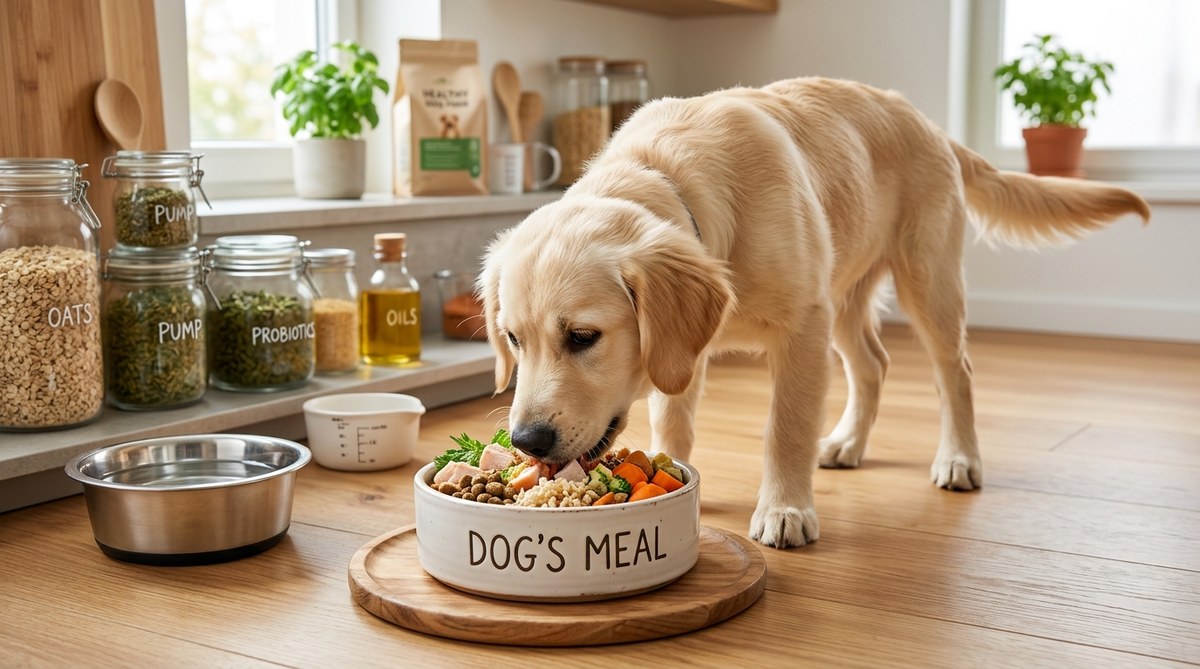
Maintaining your dog’s digestive health is vital for their overall happiness and well-being. A healthy gut supports better nutrient absorption, boosts immunity, and can prevent common issues like diarrhea or constipation. Many dog owners find themselves wondering how to improve and sustain their pet’s digestive system naturally. Luckily, small, consistent changes can make a significant difference in your dog’s comfort and health.
Supporting your dog’s digestion involves balanced nutrition, regular routines, hydration, and mindful treats. Simple adjustments can help prevent issues and promote a happy, healthy gut for your furry friend.
Understanding Your Dog’s Digestive System
Your dog’s digestive system is a complex yet efficient process designed to extract essential nutrients from food. It begins with the mouth, where chewing breaks down food into manageable pieces. From there, the food travels through the stomach and intestines, where nutrients are absorbed, and waste is prepared for elimination. Unlike humans, dogs have a shorter digestive tract, adapted to process meat and other protein-rich foods efficiently.
Knowing how digestion works in dogs helps you make better choices about their diet and care routines. It also highlights the importance of balancing nutrients and paying attention to signs of discomfort.
Common Signs of Digestive Problems in Dogs
Being aware of warning signs can help catch issues early. Look for symptoms such as:
- Diarrhea or loose stool
- Constipation or difficulty passing stool
- Vomiting or regurgitation
- Excessive gas or bloating
- Loss of appetite
- Lethargy or discomfort
If your dog displays any of these symptoms persistently, consulting your veterinarian is wise. Addressing problems early can prevent more serious health concerns.
Practical Dog Digestive Health Tips
Implementing simple, targeted strategies can significantly improve your dog’s gut health. Here are key tips to support their digestive system.
1. Feed a Balanced and Nutritious Diet
Providing high-quality dog food that meets all nutritional needs is fundamental. Focus on formulas rich in proteins, healthy fats, and fiber. Look for options that include prebiotics and probiotics, which help maintain healthy gut bacteria. Avoid foods with artificial additives, fillers, or excessive grains, as these can irritate sensitive digestive systems.
2. Establish a Consistent Feeding Routine
Dogs thrive on routine. Feeding them at regular times each day helps regulate digestion and prevents overeating. Create a schedule that suits your lifestyle and stick to it. This consistency helps their gut develop a predictable rhythm, reducing the likelihood of digestive upset.
3. Keep Your Dog Hydrated
Adequate water intake is crucial for digestion and overall health. Ensure your dog always has access to fresh water. Proper hydration helps move food through the digestive tract efficiently and prevents constipation.
4. Incorporate Digestive-Boosting Foods and Supplements
Adding certain foods or supplements can support gut health. Pumpkin puree, for example, is rich in fiber and can soothe the digestive tract. Fermented foods like plain yogurt or specialized probiotic supplements can introduce beneficial bacteria. Always discuss new additions with your vet to ensure they’re appropriate for your dog’s specific needs.
5. Regular Exercise and Mental Stimulation
Physical activity aids digestion by encouraging healthy bowel movements. Daily walks and playtime help maintain a healthy weight and reduce stress, which can otherwise impact gut health. A calm, stress-free environment also supports better digestion.
6. Monitor and Adjust as Your Dog Ages
Older dogs may experience changes in digestion. Adjust their diet accordingly, possibly including more easily digestible foods or added fiber. Regular vet visits help catch age-related issues early and fine-tune their nutritional plan.
7. Avoid Overfeeding and Table Scraps
Overfeeding can lead to obesity and digestive problems. Stick to recommended portion sizes. Table scraps often contain ingredients that can upset your dog’s stomach or cause allergic reactions. Instead, treat them with healthy, dog-safe snacks.
Techniques for Better Digestion and Common Mistakes to Avoid
| Technique | What to Do | Common Mistake |
|---|---|---|
| Consistent feeding schedule | Feed at the same times daily | Free feeding or irregular times |
| Proper hydration | Always provide fresh water | Letting your dog go thirsty or overhydrating |
| Gradual food changes | Transition slowly over a week | Switching foods abruptly |
| Use of probiotics | Incorporate vet-approved probiotics | Giving human probiotics without advice |
| Adequate exercise | Daily walks and play | Sedentary lifestyle |
| Avoiding fatty or spicy foods | Stick to dog-safe foods | Giving spicy human food or greasy treats |
“A balanced diet combined with routine and hydration forms the foundation of good digestion,” says Dr. Lisa Greene, a veterinary nutritionist.
Common Pitfalls in Maintaining Digestive Health
While these tips are effective, some common mistakes can undermine your efforts:
- Sudden diet changes: Switching foods abruptly can cause diarrhea or stomach upset.
- Ignoring symptoms: Persistent signs of discomfort need professional attention.
- Overfeeding treats: Giving too many treats, especially unhealthy ones, can disturb digestion.
- Neglecting hydration: Insufficient water intake hampers digestion and stool formation.
- Skipping vet visits: Regular check-ups can detect issues before they become serious.
Being mindful of these pitfalls ensures you support your dog’s gut health consistently.
When to Seek Veterinary Advice
Persistent digestive issues warrant professional input. Contact your vet if your dog shows signs such as:
- Ongoing vomiting or diarrhea
- Severe bloating or pain
- Blood in stool
- Sudden weight loss
- Loss of appetite over several days
Your veterinarian can diagnose underlying conditions and recommend targeted treatments or dietary adjustments.
Enriching Your Dog’s Gut Health Routine
Creating a routine that includes the right food, consistent timing, hydration, and exercise forms a holistic approach to digestive health. Small daily habits add up to a happier, more comfortable dog.
Remember, each dog is unique. What works for one may not suit another. Tailoring your approach based on your pet’s age, breed, and health status will yield the best results.
Supporting Your Dog’s Digestive Journey
Keeping your dog’s digestive system healthy is a journey, not a one-time effort. By staying attentive to their diet, routine, and signs of discomfort, you can prevent many common problems. Regular veterinary care and a focus on natural, wholesome foods will help your dog enjoy a vibrant, comfortable life.
A happy gut means a happy dog. With patience and consistent care, you can ensure your furry friend stays healthy and content for years to come.