You open the bag of your dog’s favorite kibble, scoop out a cupful, and pour it into the bowl. Your tail-wagging buddy dives in without a second thought. But what if the ingredients inside that bag were slowly working against their health? Many commercial dog foods contain additives, preservatives, and fillers that can cause long-term damage. The scary part is that these components are often hidden behind technical names or vague labeling. As a pet parent in 2026, you deserve to know exactly what goes into your dog’s body. Let’s pull back the curtain on the most harmful dog food ingredients and learn how to avoid them.
Harmful dog food ingredients like BHA, ethoxyquin, propylene glycol, and vague meat by-products can damage your dog’s liver, kidneys, and overall health over time. Learning to read labels, choosing whole-food alternatives, and opting for brands with transparent sourcing are your best defenses. Small changes in what you feed your dog today can add years to their life.
What Are Hidden Ingredients and Why Should You Care?
When you scan the back of a dog food bag, the ingredient list might look like a foreign language. Terms like “butylated hydroxyanisole” or “sodium tripolyphosphate” don’t exactly scream “danger.” But many of these additives exist to extend shelf life, improve texture, or make low-quality ingredients look more appealing. They do little to nourish your dog.
The problem is that dogs are smaller than humans and have different metabolic pathways. A preservative that the FDA considers safe for people in tiny amounts can accumulate in a dog’s system and cause real trouble over months and years. Some ingredients are linked to cancer, kidney damage, skin allergies, and digestive issues. Others are simply cheap fillers that offer zero nutrition and spike your dog’s blood sugar.
The good news? Once you know what to look for, you can make smarter choices. You can learn to read dog food labels like a pro in 2026 and avoid the traps that many well-meaning owners fall into.
The Top Harmful Dog Food Ingredients to Avoid
Below is a numbered list of the most dangerous ingredients commonly found in commercial dog food. Each one has been flagged by veterinary nutritionists and pet wellness advocates as a red flag.
-
BHA and BHT (Butylated Hydroxyanisole and Butylated Hydroxytoluene)
These synthetic preservatives are used to keep fats from going rancid. The International Agency for Research on Cancer lists BHA as a possible human carcinogen. In dogs, long-term exposure has been linked to liver and kidney damage. Avoid any food that lists BHA or BHT in the first ten ingredients. -
Ethoxyquin
Originally developed as a rubber stabilizer, ethoxyquin is sometimes added to dog food as a preservative. It is one of the most controversial additives in the pet food industry. Studies have associated it with liver enlargement, skin issues, and immune system suppression. Many countries restrict its use in animal feed. -
Propylene Glycol
This is the less toxic cousin of antifreeze, but that does not make it safe for dogs. It is added to some semi-moist kibble and treats to retain moisture and softness. Propylene glycol can cause red blood cell damage in dogs, especially when fed regularly. The FDA prohibits its use in cat food but still allows it in dog food. -
Meat and Bone Meal (Unspecified Sources)
When a label says “meat meal” or “bone meal” without naming the animal, you have no way of knowing what is inside. These meals can come from diseased livestock, euthanized animals, or restaurant waste. They are often heavily processed and low in bioavailable nutrients. Look for named protein sources like “chicken meal” or “salmon meal” instead. -
Corn Syrup and Artificial Sweeteners
Dogs do not need added sugar. Corn syrup spikes insulin levels and can lead to obesity and diabetes. Even worse, some low-quality foods use xylitol as a sweetener. Xylitol is highly toxic to dogs and can cause rapid insulin release, leading to hypoglycemia, seizures, or liver failure. Always double check treats and “dental” chews for xylitol. -
Artificial Colors (Red 40, Yellow 5, Blue 2)
Bright colors in dog food serve no nutritional purpose. They are purely cosmetic and are often derived from petroleum. Some artificial colors have been linked to hyperactivity and allergic reactions in dogs. Choose foods that get their color from whole ingredients like carrots, spinach, or blueberries. -
Sodium Tripolyphosphate
This additive is used as a preservative and texture enhancer. It can also help control tartar in dental chews. However, it is high in sodium and can contribute to kidney strain, high blood pressure, and heart issues in dogs with predispositions. If your dog has kidney concerns, avoid this ingredient. -
Rendered Fat
“Animal fat” or “poultry fat” sounds harmless, but the rendering process can introduce toxins and heavy metals. Rendered fat is often sprayed onto kibble after cooking to make it palatable. This fat can go rancid quickly if the food is stored improperly. Rancid fats cause oxidative stress and inflammation in your dog’s body. -
Hydrolyzed Vegetable Protein (HVP)
HVP is used as a flavor enhancer. It is made by chemically breaking down vegetables, but the process can create monosodium glutamate (MSG). Some dogs are sensitive to MSG and may experience vomiting, diarrhea, or neurological symptoms. It is often added to mask the taste of low-quality ingredients. -
Cellulose
Cellulose is a fancy name for wood pulp. It is added to many dry kibbles as a filler to increase fiber content without adding cost. Dogs cannot digest cellulose well, and it provides no nutritional value. Worse, it can displace more nutrient-dense ingredients in the recipe.
How to Spot These Ingredients on a Dog Food Label
You cannot avoid what you cannot see. The pet food industry uses clever marketing terms to make bad ingredients sound harmless. Here is a bulleted list of label phrases that should raise your eyebrows.
- “Meat by-products” or “animal digest” without a named species
- “Natural flavor” which can be a catch-all for MSG or artificial enhancers
- “BHA used as a preservative” sometimes listed at the very bottom
- “Corn gluten meal” a cheap protein filler that offers incomplete amino acids
- “Soybean meal” a common allergen for many dogs
- “Sugar” or “cane molasses” unnecessary sweeteners that harm teeth and metabolism
Below is a Markdown table that breaks down the most common red-flag ingredients, the risks they carry, and what to look for instead.
| Ingredient to Avoid | Potential Health Risk | Safer Alternative |
|---|---|---|
| BHA / BHT | Liver damage, cancer risk | Mixed tocopherols (vitamin E) |
| Ethoxyquin | Organ toxicity, immune issues | Rosemary extract |
| Propylene glycol | Red blood cell damage | Glycerin (natural) or no preservative |
| Unnamed meat meal | Unknown disease sources | Named meat meal (chicken, lamb, salmon) |
| Corn syrup | Obesity, diabetes, blood sugar spikes | No added sugar or whole fruits |
| Artificial colors (Red 40, etc.) | Allergies, behavioral issues | Natural color from whole foods |
| Rendered fat | Oxidative stress, rancidity | Named fat (chicken fat, salmon oil) |
“The easiest way to protect your dog is to choose foods with fewer than ten ingredients, all of which you can recognize as real food. If you cannot pronounce an ingredient, your dog should not be eating it.” Dr. Sarah Richards, DVM, veterinary nutrition specialist.
How to Transition Away From Harmful Ingredients
Switching your dog to a cleaner diet takes planning. A sudden change can cause stomach upset, so follow these steps to make the transition smooth.
- Check your current bag. Look at the ingredient list and flag any of the items from the numbered list above. Mark the bag with a sticky note so you remember to replace it.
- Choose a better brand. Research brands that use whole ingredients, named protein sources, and natural preservatives. Many small-batch and limited-ingredient diets have sprung up in 2026 to meet demand for cleaner food.
- Mix old and new food. Start with 25% new food and 75% old food for three days. Then go 50/50 for three days. Next, 75/25 for three days. Finally, switch to 100% new food.
- Watch for reactions. If your dog gets diarrhea, vomiting, or itchy skin, slow down the transition or try a different protein source. Some dogs need a longer adjustment window.
- Add a probiotic. A high-quality probiotic can help your dog’s gut adapt to new ingredients. You can find guidance on how to choose the best probiotics for your dog’s gut health in 2026 on our site.
Building a Safer Bowl at Home
One of the best ways to control what your dog eats is to prepare some or all of their meals yourself. You do not need to become a canine chef overnight. Even replacing one meal per day with a balanced homemade option reduces your dog’s exposure to harmful additives.
Start with a simple base of cooked protein (chicken, turkey, or lean beef), a carbohydrate source (sweet potato or brown rice), and a vegetable (green beans or spinach). Then add a vitamin and mineral supplement designed for dogs. For a complete guide, check out our essential tips for creating a balanced homemade dog food diet.
Homemade treats are another easy win. Many store-bought treats contain propylene glycol, artificial colors, and sugar. You can bake simple treats with oats, pumpkin, and peanut butter (make sure it is xylitol-free) in under 20 minutes. Our healthy homemade dog treats your pet will love collection has several foolproof recipes.
Ingredients That Surprise Owners at the Dinner Table
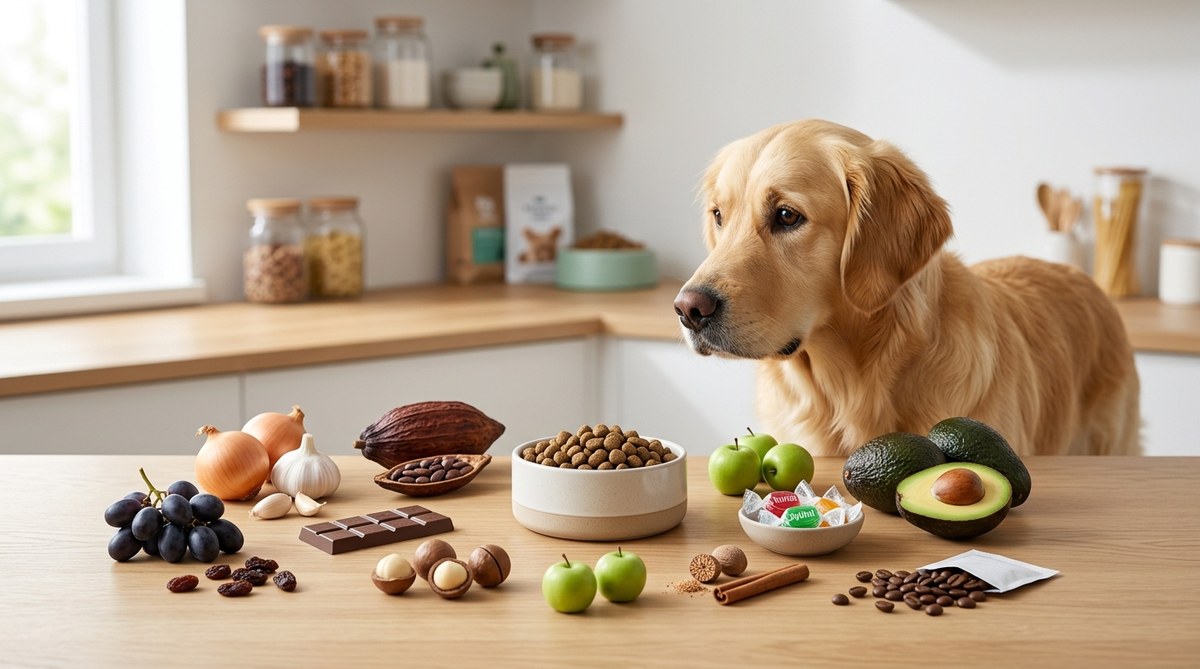
Not all harmful ingredients hide in the kibble bag. Some of the most dangerous foods for dogs come from your own kitchen. Human foods that are perfectly safe for you can be toxic for your pet. Here are a few to keep away from your dog’s reach.
- Grapes and raisins can cause acute kidney failure even in small amounts.
- Onions and garlic damage red blood cells and can lead to anemia.
- Macadamia nuts cause weakness, vomiting, and hyperthermia.
- Chocolate contains theobromine, which is toxic to a dog’s heart and nervous system.
- Alcohol even a small sip can cause severe intoxication and respiratory distress.
If your dog ingests any of these, contact your veterinarian or an emergency animal poison control hotline immediately. Do not wait for symptoms to appear.
The Role of Supplements in Counteracting Poor Ingredients
If your dog has been eating low-quality food for a while, their body may have accumulated toxins or developed nutritional gaps. Certain supplements can help support their recovery. Omega-3 fatty acids reduce inflammation caused by rancid fats. Milk thistle supports liver function. Probiotics restore healthy gut bacteria.
But supplements are not a license to keep feeding poor food. Think of them as a support system while you transition to a cleaner diet. Our guide on top natural supplements to boost your dog’s nutrition naturally covers which ones actually work and how to introduce them safely.
What About Grain-Free Diets?
Grain-free diets became popular in the early 2020s, but they are not automatically healthier. Some grain-free foods replace grains with legumes like peas and lentils, which have been linked to dilated cardiomyopathy (DCM) in some dogs. The key is balance, not elimination.
Instead of going grain-free out of fear, choose whole grains like oats, barley, or brown rice. These provide fiber, vitamins, and steady energy. They are rarely the problem. The problem is the low-quality substitutes and additives that often accompany grain-free labels. Read more in our article on what every dog owner should know about grain-free diets.
Creating a Safer Future for Your Dog
You do not have to be perfect. No dog food is 100% pure, and occasional treats from the store will not ruin your dog’s health. What matters is the overall pattern. If the majority of your dog’s meals come from whole, named ingredients with transparent sourcing, their body can handle the occasional slip.
Start today by reading the ingredient list on the food you currently have. Identify one item to replace. It might be the kibble, the treats, or the chews. Small swaps add up. Your dog cannot read labels or advocate for themselves. That is your job. And now you have the tools to do it well.
For a deeper look at the specific chemicals and preservatives to watch out for, revisit our pillar guide on harmful dog food ingredients for a complete breakdown. Your dog’s health is worth the effort, and every meal is a chance to make a better choice.