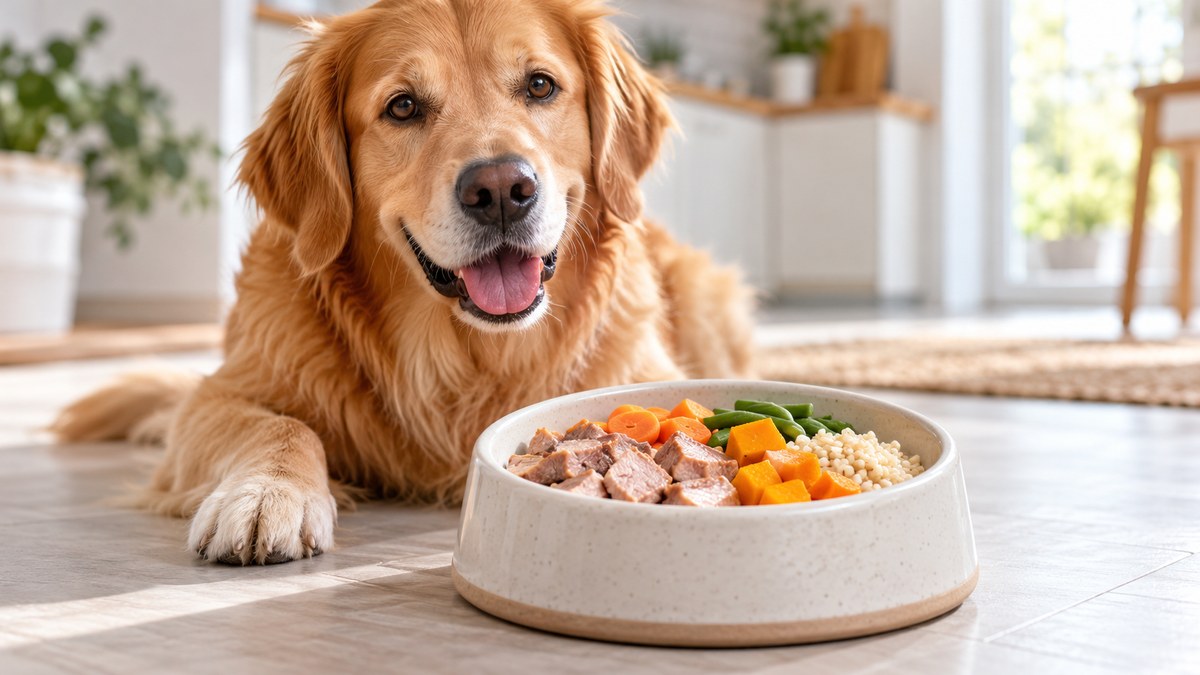
You love your dog. You want the best for them. Maybe you have heard that dogs are descended from wolves and that a meat-only diet is the most natural choice. It makes sense on the surface. Dogs are carnivores, right? Actually, the truth is more interesting. Domestic dogs have evolved alongside humans for thousands of years. Their digestive systems have adapted to handle a much wider range of foods. Feeding your dog only meat can lead to serious nutritional gaps. A healthy dog bowl needs more than just protein. It needs a balanced mix of nutrients to keep your pup thriving.
A meat-only diet for dogs misses critical vitamins, minerals, and fiber that support heart health, digestion, and a strong immune system. Dogs are omnivores that need carbohydrates, healthy fats, and plant-based nutrients. Adding vegetables, fruits, and grains to their bowl prevents deficiencies and promotes a longer, happier life. Balance is the real key.
The Meat Myth: Why Dogs Are Not True Carnivores
Many people believe that because dogs belong to the order Carnivora, they must eat only meat. That is a common misunderstanding. Wolves, coyotes, and foxes are carnivores, but domestic dogs are different. Dr. Jennifer Coates, a veterinary nutritionist, explains it clearly.
“Dogs are facultative carnivores, meaning they can survive and thrive on a diet that includes plant matter. Their bodies produce enzymes to digest starches and sugars, something true carnivores cannot do. A dog’s nutritional needs are closer to an omnivore than a pure meat eater.”
This biological fact changes everything. Your dog can digest carbohydrates from rice, oats, and potatoes. They can use the fiber from pumpkin and green beans. They need vitamins from leafy greens and berries. When you skip these ingredients, you miss out on essential nutrients that keep your dog energetic and healthy.
What Is Missing From a Meat-Only Bowl
A bowl filled with just muscle meat, organs, or raw meat is incomplete. Here is what your dog is not getting.
Fiber for Digestion
Meat contains no fiber. Dogs need fiber for regular bowel movements and to feed the good bacteria in their gut. Without fiber, your dog may experience constipation or diarrhea. Fiber also helps your dog feel full after a meal. This can prevent begging and weight gain. Sources like pumpkin, sweet potatoes, and oats are excellent additions.
Vitamins and Antioxidants
Meat is low in vitamin E, vitamin C, and many B vitamins. These nutrients support the immune system and help protect cells from damage. Antioxidants found in blueberries, spinach, and carrots fight inflammation. A meat-only diet leaves your dog vulnerable to illness and joint problems later in life.
Minerals for Bones and Teeth
Calcium and phosphorus are critical for strong bones. Meat provides some phosphorus but very little calcium. Dogs need a careful balance of these two minerals. Too much phosphorus without enough calcium can lead to bone loss. Leafy greens and bone meal (in safe amounts) can help fill this gap.
Healthy Carbohydrates for Energy
Protein is great, but it is not the most efficient fuel source. Carbohydrates provide energy for play, walks, and daily activities. Dogs use glucose from carbs to power their brain and muscles. Without carbs, your dog may become tired and sluggish. Whole grains and starchy vegetables are safe and beneficial.
The Hidden Dangers of an All-Meat Diet
Feeding your dog only meat can cause real health problems. Some of these issues take months or years to show up. By then, the damage may be hard to reverse.
- Nutritional deficiencies. Lack of fiber leads to poor gut health. Low vitamin levels weaken the immune system.
- Kidney strain. High protein intake over time puts extra pressure on the kidneys. This is especially risky for senior dogs.
- Weight gain. Many cuts of meat are high in fat. Without fiber to add bulk, your dog may eat more calories than needed.
- Boredom and picky eating. A monotonous diet can make your dog refuse food. Variety keeps meals interesting and ensures a wider nutrient profile.
How to Build a Balanced Bowl in 2026
Building a complete meal for your dog does not have to be complicated. Think of their bowl as a plate with four sections. Use this simple guide.
| Food Group | Examples | Purpose |
|---|---|---|
| Protein | Chicken, beef, fish, eggs | Muscle maintenance, enzymes |
| Vegetables | Carrots, green beans, spinach | Vitamins, fiber, antioxidants |
| Fruits | Blueberries, apples (no seeds), pumpkin | Natural sugars, phytonutrients |
| Grains or starches | Brown rice, oats, sweet potato | Energy, B vitamins, fiber |
A good rule of thumb is 50 percent protein, 25 percent vegetables, and 25 percent grains or starches. Adjust based on your dog’s age, activity level, and any health conditions. Puppies and active dogs may need more protein. Senior dogs often benefit from more fiber and fewer calories.
Three Simple Steps to Transition Away From Meat-Only
If your dog is used to a meat-only diet, do not switch all at once. A sudden change can upset their stomach. Follow these steps for a smooth transition.
- Start small. Add one tablespoon of cooked green beans or mashed sweet potato to their meat portion. Do this for three days.
- Increase gradually. After three days, add a second vegetable and a small amount of cooked oats. Keep the meat portion the same size.
- Watch and adjust. Monitor your dog’s stool and energy levels. If everything looks good, slowly reduce the meat portion and increase the plant foods until you reach the 50-25-25 balance.
Every dog is different. Some dogs have sensitive stomachs. If you see loose stool or gas, slow down the transition. Give their gut time to adapt.
Common Mistakes to Avoid
Even with good intentions, some owners make errors when adding new foods. Here are the most common ones and how to avoid them.
- Using raw vegetables. Dogs digest cooked vegetables much better. Steaming or roasting breaks down cell walls and releases nutrients.
- Adding too much fruit. Fruit contains natural sugars. A few blueberries or a slice of apple is fine. A whole banana every day is too much.
- Ignoring portion sizes. Treats and add-ons count toward daily calories. Overfeeding leads to obesity, even with healthy foods.
- Skipping variety. Rotate your ingredients. Feeding the same three vegetables every week can still cause nutrient gaps. Aim for at least five different plant foods per week.
Real Benefits You Will Notice
When you start feeding a more complete diet, changes happen. Your dog’s coat will become shinier and softer. Their breath may improve. Stools will be firmer and less smelly. Energy levels become more consistent throughout the day. Many owners report that their dog stops licking their paws and scratching as much. These improvements come from filling the nutritional holes that meat alone cannot cover.
For more ideas on building a well-rounded meal plan, check out our guide on essential tips for creating a balanced homemade dog food diet. It walks you through recipes and proportions for different life stages.
What About Commercial Dog Food?
Many high-quality commercial foods already include vegetables, fruits, and grains. If you feed a complete and balanced kibble or wet food, your dog may already get what they need. The problem arises when owners choose raw meat diets or homemade meals that lack plant ingredients. If you prepare food at home, you must include the full spectrum of nutrients. A meat-only homemade diet is dangerous. Always consult your veterinarian before making major diet changes.
If you want to add supplements to fill any remaining gaps, take a look at our list of top natural supplements to boost your dog’s nutrition naturally. These can help with joint health, digestion, and coat condition.
Your Dog’s Bowl Deserves More
Your dog depends on you to make the right choices. They cannot tell you when they feel sluggish or when their joints ache. They cannot ask for a side of steamed carrots. But their body will show the results of a diet that is missing key nutrients. A meat-only bowl is not enough. Your dog needs the vitamins from leafy greens, the fiber from pumpkin, and the energy from whole grains. By adding variety to their bowl, you give them the best chance at a long, active, and happy life.
Start small. Add one new vegetable this week. See how your dog responds. Then add another. Before you know it, you will have a bowl that is as colorful as it is nutritious. Your dog will thank you with wagging tails, bright eyes, and plenty of energy for your next adventure together.