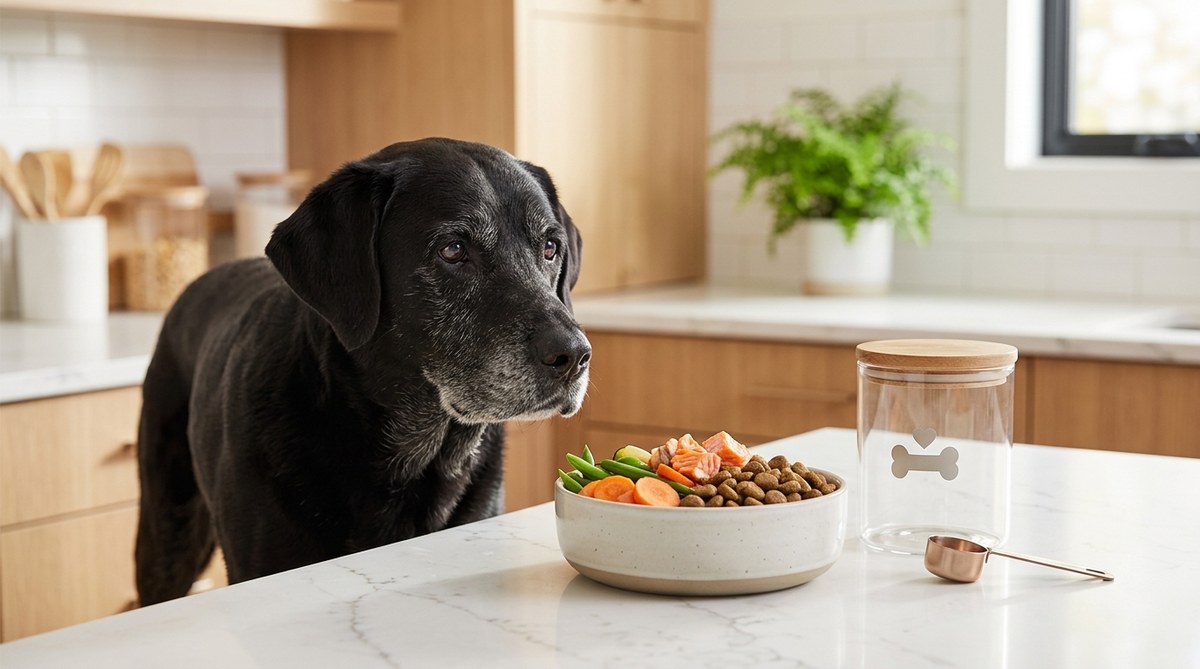
Your dog has been your loyal companion for years. Now that they are crossing into their senior years, you may notice small changes. A little more gray around the muzzle. A slower pace on walks. A bit more hesitation before jumping onto the couch. These changes are normal, but they also signal something important: your dog’s body is processing food differently than it used to. What worked at age four may not support them at age eight. Understanding why senior dog nutritional needs change after age 7 is one of the most powerful steps you can take to help your aging companion stay strong, comfortable, and happy for years to come.
Senior dogs aged 7 and older experience lower metabolism, reduced digestive efficiency, and increased risk of muscle loss and joint issues. Their diet needs higher quality protein, controlled calories, extra joint support, more fiber, and targeted antioxidants. Switching to a senior-formulated food and making gradual transitions helps prevent obesity, preserve muscle, and support cognitive and immune health. Always consult your vet before making major diet changes.
When Does a Dog Become a Senior?
The number seven is not a magic switch. But for most dogs, age 7 marks the beginning of their senior years. The exact timing depends on breed and size. Small breeds under 20 pounds often reach their senior stage around age 10 or 11. Medium breeds between 21 and 50 pounds usually enter senior status around age 8 or 9. Large breeds over 50 pounds and giant breeds can be considered seniors as early as age 5 or 6.
This difference exists because larger dogs age faster metabolically. A Great Dane at age 6 is roughly equivalent in biological age to a Chihuahua at age 10. So if you have a larger breed, you may need to adjust your dog’s nutrition even earlier than age 7. Pay attention to your dog’s individual signs: lower energy, weight gain without eating more, stiffer movements, and changes in coat quality all indicate it may be time to rethink their diet.
Why Senior Dog Nutritional Needs Shift
Aging affects every system in your dog’s body. Here are the main changes that directly impact what your dog needs from their food.
Metabolism slows down. A senior dog burns fewer calories at rest than they did as an adult. If you keep feeding the same amount, your dog will likely gain weight. Extra weight puts stress on aging joints and organs.
Digestive efficiency declines. The gut produces fewer digestive enzymes. The intestines absorb nutrients less effectively. Your dog may need more of certain nutrients just to get the same benefit they used to get from less.
Muscle mass naturally decreases. This process is called sarcopenia. Without enough high-quality protein, senior dogs lose muscle strength. Weak muscles make it harder to walk, stand, and climb stairs.
Kidney function can decline. The kidneys filter waste from the blood. As they age, they become less efficient. Too much phosphorus or low-quality protein can stress the kidneys further.
Joint cartilage wears down. Arthritis is common in senior dogs. Nutrients that support joint health become more important.
Immune and cognitive function changes. Older dogs are more vulnerable to illness and may show signs of cognitive decline similar to dementia in humans. Antioxidants and certain fatty acids can help.
Key Nutrients for Dogs Over Age 7
Not all dog foods are created equal, and senior dogs need a different balance than puppies or active adult dogs. Here is what to look for.
Protein for Muscle Preservation
Many people assume older dogs need less protein to protect their kidneys. That is not accurate for most healthy seniors. Unless your vet has diagnosed kidney disease, your senior dog needs more high-quality protein, not less. Good quality protein from meat, fish, or eggs helps slow muscle loss and keeps your dog strong.
Look for foods with at least 25 to 30 percent protein on a dry matter basis. The protein should come from named animal sources like chicken, beef, salmon, or lamb. Avoid vague labels like “meat meal” or “poultry by-product” which can be lower quality.
Healthy Fats and Omega-3s
Fat provides concentrated energy, but senior dogs do not need as many calories. The key is quality over quantity. Omega-3 fatty acids from fish oil or flaxseed are especially valuable. They reduce inflammation in joints, support brain health, and help maintain a shiny coat.
Aim for food with moderate fat levels around 12 to 15 percent on a dry matter basis. Look for added DHA (docosahexaenoic acid) and EPA (eicosapentaenoic acid) from fish oil sources. These are the same omega-3s that support human brain and heart health.
Joint Support Nutrients
Glucosamine and chondroitin are the most well-known joint support ingredients. They help maintain cartilage and reduce arthritis pain. Many senior dog foods include these, but you can also add them through supplements.
Green-lipped mussel is another powerful joint support ingredient. It contains natural glucosamine plus omega-3s and antioxidants. Some studies suggest it works better than synthetic glucosamine alone.
Digestive Health and Fiber
Senior dogs often struggle with constipation or diarrhea. Their gut microbiome changes with age. Soluble fiber from sources like pumpkin, sweet potato, and oats helps regulate digestion. Prebiotic fibers like chicory root and inulin feed healthy gut bacteria.
Probiotics are also valuable. They introduce beneficial bacteria directly into the digestive tract. Look for foods with added probiotic strains or consider a separate probiotic supplement. For more detail on this topic, check out our guide on how to choose the best probiotics for your dog’s gut health in 2026.
Antioxidants and Cognitive Health
Aging brains need protection. Antioxidants like vitamin E, vitamin C, selenium, and beta-carotene help fight oxidative stress. This is the cellular damage that accumulates over time. Foods with added blueberries, cranberries, spinach, and carrots provide natural antioxidant support.
Some senior dog foods also include medium-chain triglycerides (MCTs) from coconut oil. MCTs provide an alternative energy source for brain cells and may help slow cognitive decline.
Common Mistakes to Avoid When Feeding Senior Dogs
Even well-meaning owners make errors. Here is a table of common mistakes and what to do instead.
| Mistake | Why It Hurts Your Dog | Better Approach |
|---|---|---|
| Switching to “light” or “low calorie” food too soon | Lowers protein and nutrients, causing muscle loss | Use a balanced senior food with moderate calories |
| Adding too many supplements without vet guidance | Can create imbalances or harm kidneys | Test bloodwork first, then supplement only what is needed |
| Feeding the same portion size as when your dog was younger | Leads to weight gain and joint strain | Reduce calories by 15 to 25 percent, monitor body condition |
| Choosing food with very low protein to “protect kidneys” | Causes muscle wasting; only necessary with diagnosed kidney disease | Use high-quality protein unless your vet says otherwise |
| Ignoring phosphorus levels for dogs with kidney issues | Stresses kidneys and speeds disease progression | Use a kidney-friendly diet if diagnosed, with controlled phosphorus |
How to Transition to a Senior Diet
Switching your dog’s food too quickly can cause stomach upset. Senior dogs have sensitive digestive systems. A gradual transition over 7 to 10 days works best.
- Day 1 to 3: Mix 25 percent new food with 75 percent old food. Monitor your dog’s stool and energy.
- Day 4 to 6: Increase to 50 percent new food and 50 percent old food. Watch for any signs of loose stool or gas.
- Day 7 to 9: Move to 75 percent new food and 25 percent old food. If your dog tolerates it well, continue.
- Day 10: Serve 100 percent new food. If your dog shows any digestive issues, slow down and stay at the previous ratio for a few extra days.
“A sudden diet change is one of the most common causes of gastrointestinal upset in senior dogs. Their gut has less reserve capacity than a younger dog’s. Take the transition slowly, and if you see vomiting, diarrhea, or refusal to eat, consult your veterinarian.” Dr. Lisa Pierson, DVM, veterinary nutrition specialist
If your dog is a picky eater, try warming the food slightly to release aromas. Add a small amount of plain pumpkin or bone broth to increase palatability. You can also explore easy dog food recipes for sensitive stomachs to find gentle options that work for your senior.
When to Consult Your Veterinarian
Before making any major diet change for your senior dog, schedule a vet visit. A full blood panel, urine test, and physical exam can reveal underlying issues that affect nutrition. Kidney disease, diabetes, thyroid problems, and dental pain are all common in older dogs and require specific dietary adjustments.
Your vet can help you decide:
– Whether your dog needs a prescription diet for a specific condition
– What calorie target matches your dog’s ideal weight
– Which supplements are actually needed based on bloodwork
– How often to recheck blood values after changing the diet
If your dog has lost interest in food or is losing weight unexpectedly, do not wait. Unexplained weight loss in a senior dog can signal serious illness. For more guidance on recognizing when something is off, read our article on 5 signs your dog’s diet needs a change according to veterinarians.
Signs Your Current Diet Is Working
Once you have adjusted your dog’s nutrition, watch for positive changes. A healthy senior dog on the right diet will show:
– Steady weight and healthy body condition
– Bright, clear eyes and a soft, shiny coat
– Good energy for walks and play, even if slower than before
– Firm, consistent stools
– Willingness to eat meals with enthusiasm
– Comfortable movement getting up and lying down
If you see these signs, your dog’s nutritional needs are being met. Continue monitoring and adjust as needed with guidance from your vet.
Supporting Your Senior Beyond Food
Nutrition is the foundation, but it is not the whole picture. Regular low-impact exercise like short walks and swimming helps maintain muscle and joint function. Comfortable bedding reduces pressure on sore joints. Keeping your dog at a healthy weight is the single most important factor in managing arthritis and extending quality of life.
You can also add targeted top natural supplements to boost your dog’s nutrition naturally once you have the base diet right. Always introduce supplements one at a time so you can see what helps.
Making Every Meal Count for Your Senior Dog
Watching your dog age is bittersweet. You see the gray creeping in and the pace slowing down. But you also get the gift of years of trust, loyalty, and quiet companionship. Adjusting your dog’s diet to match their changing body is one of the most tangible ways you can return that loyalty. It does not require fancy ingredients or complicated routines. It requires paying attention, choosing quality food, and making changes with care. Your dog gave you their best years. Giving them the right nutrition for their senior years is a beautiful way to honor that bond. Start with a vet visit, review your current food, and make one small change at a time. Your dog will feel the difference, and so will you.