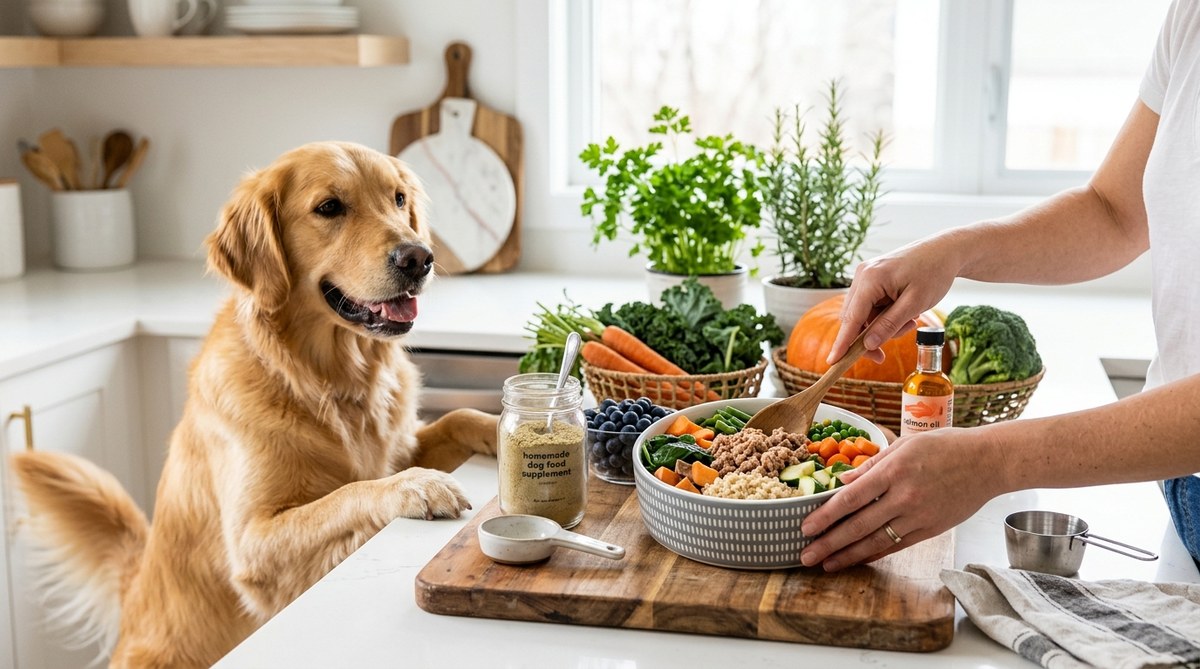
Feeding your dog homemade meals can be a rewarding way to give them nutritious, tasty food. But creating a balanced homemade dog food diet requires understanding what ingredients to include and how to combine them properly. The goal is to provide your furry friend with all the essential nutrients they need for a vibrant, healthy life. Whether you want to cook for your dog full-time or just occasionally, knowing the basics of balanced nutrition helps you make the best choices for their well-being.
Creating a balanced homemade dog food diet involves understanding essential nutrients, choosing quality ingredients, and following a proven process to ensure your dog receives complete nutrition. Proper planning and consultation can help you avoid common pitfalls and keep your pet healthy and happy with every meal.
Understanding What a Balanced Dog Food Diet Means
A balanced homemade dog food diet is one that provides all the necessary nutrients in the right proportions. Dogs need proteins, carbohydrates, fats, vitamins, and minerals to thrive. Unlike commercial kibble that is formulated to meet nutritional standards, homemade diets require careful planning to ensure no nutrient gaps exist.
The key nutrients include:
– Proteins: Support muscle growth and repair
– Carbohydrates: Provide energy
– Fats: Essential for skin, coat health, and energy
– Vitamins and minerals: Support immune function, bone health, and metabolic processes
A diet lacking in any of these components can lead to health issues such as deficiencies, obesity, or digestive problems. Knowing how to balance these elements turns cooking for your dog into a safe, nurturing experience.
Steps to Crafting a Nutritious Homemade Dog Food
-
Consult with a veterinary nutritionist
Before starting, talk with a professional who can help tailor a diet plan suited to your dog’s age, breed, health status, and activity level. They can identify specific needs and suggest appropriate supplements if necessary. -
Select high-quality ingredients
Focus on fresh, minimally processed foods. Good sources of protein include lean meats like chicken, turkey, or beef. Incorporate vegetables such as carrots, spinach, or peas for fiber and micronutrients. Whole grains like brown rice or oats provide energy, while healthy fats from fish oil or flaxseed support skin and coat health. -
Follow a proven recipe or framework
Use trusted recipes from reputable sources or work with your vet to develop a meal plan. The general process involves balancing ingredients to meet nutritional goals, adjusting portion sizes based on your dog’s needs, and ensuring variety for broader nutrient coverage. -
Prepare and portion meals carefully
Cook ingredients thoroughly to eliminate bacteria and improve digestibility. Use precise measurements to avoid overfeeding or underfeeding. Store meals in airtight containers and refrigerate or freeze portions as needed. -
Monitor and adjust over time
Observe your dog’s response to the diet. Watch for changes in energy, coat condition, or stool quality. Regular veterinary check-ups can help track their health and allow for diet adjustments.
Common Mistakes to Avoid When Preparing Homemade Dog Food
| Technique or Mistake | Why it Matters |
|---|---|
| Relying on a single protein source | Can lead to nutritional deficiencies or allergies |
| Not including enough variety | Limits nutrient diversity and can cause boredom |
| Skipping supplementation | May result in missing essential nutrients like calcium |
| Overfeeding treats or extras | Contributes to obesity and imbalance |
| Using unsafe or processed ingredients | Risks foodborne illness or harmful additives |
Remember, a homemade diet is a commitment. Proper planning and balanced recipes are the foundation of your dog’s health. Consulting with a vet or pet nutritionist ensures you’re on the right track.
Essential Nutrients and How to Incorporate Them
Achieving a balanced homemade dog food diet hinges on including the right nutrients in proper ratios. Here’s how to cover the basics:
Protein
Protein is the foundation of your dog’s diet. Good sources include chicken, turkey, beef, fish, and eggs. These should make up about 40 to 50 percent of the meal. Always cook meats thoroughly to eliminate bacteria.
Carbohydrates
Carbs provide energy and fiber. Incorporate brown rice, oats, sweet potatoes, or pumpkin. These help regulate digestion and add variety.
Fats
Healthy fats support skin, coat, and brain health. Include sources like fish oil, flaxseed, or small amounts of chicken fat.
Vitamins and Minerals
Supplements are often necessary because home-cooked meals might lack certain nutrients. Calcium is vital for bones, and options include crushed eggshells or commercial supplements. Consult your vet for guidance.
Practical Tips for Cooking and Feeding
- Start with simple recipes and gradually include more ingredients as you become comfortable.
- Use a variety of ingredients to ensure broad nutrient coverage.
- Avoid harmful foods such as onions, garlic, grapes, raisins, and excessive salt.
- Maintain hygiene during preparation to prevent contamination.
- Adjust portion sizes based on your dog’s size, age, and activity level.
Common Pitfalls and How to Prevent Them
| Mistake | How to Avoid It |
|---|---|
| Missing key nutrients | Follow a balanced recipe and consider supplements |
| Overfeeding or underfeeding | Measure portions carefully and monitor your dog’s weight |
| Feeding raw or undercooked meats | Cook all meats thoroughly to prevent illness |
| Using ingredients unsuitable for dogs | Research safe foods and avoid harmful ones |
Expert Advice on Homemade Diets
“Homemade diets can be a wonderful way to nourish your dog, but they require careful planning. Always consult with a veterinary nutritionist before making significant changes to your pet’s diet to ensure they receive a complete and balanced meal.” – Dr. Jane Smith, veterinarian and pet nutrition expert.
Making the Transition to a Homemade Diet
Switching your dog to homemade food should be gradual. Start by mixing a small amount of homemade meal with their regular food and slowly increase the homemade portion over a week or two. This approach reduces digestive upset and helps your dog adjust comfortably.
When to Seek Professional Guidance
If your dog has health issues, allergies, or special dietary needs, working closely with your veterinarian ensures you meet their nutritional requirements. Regular checkups help catch any deficiencies early.
Keeping Your Dog Happy and Healthy With Homemade Meals
Cooking for your dog is a loving gesture that can improve their quality of life. By understanding the fundamentals of a balanced homemade dog food diet and following a practical process, you can confidently prepare meals that support their health and happiness. Remember, consistency and professional advice are your best tools for success.
A Nourishing Approach for Your Furry Friend
Creating a balanced homemade dog food diet is a rewarding process that deepens your bond and supports your pet’s well-being. With careful planning, quality ingredients, and regular veterinary input, you can provide your dog with nutritious, delicious meals every day. Keep learning, stay attentive to their needs, and enjoy the journey of nourishing your loyal companion naturally.