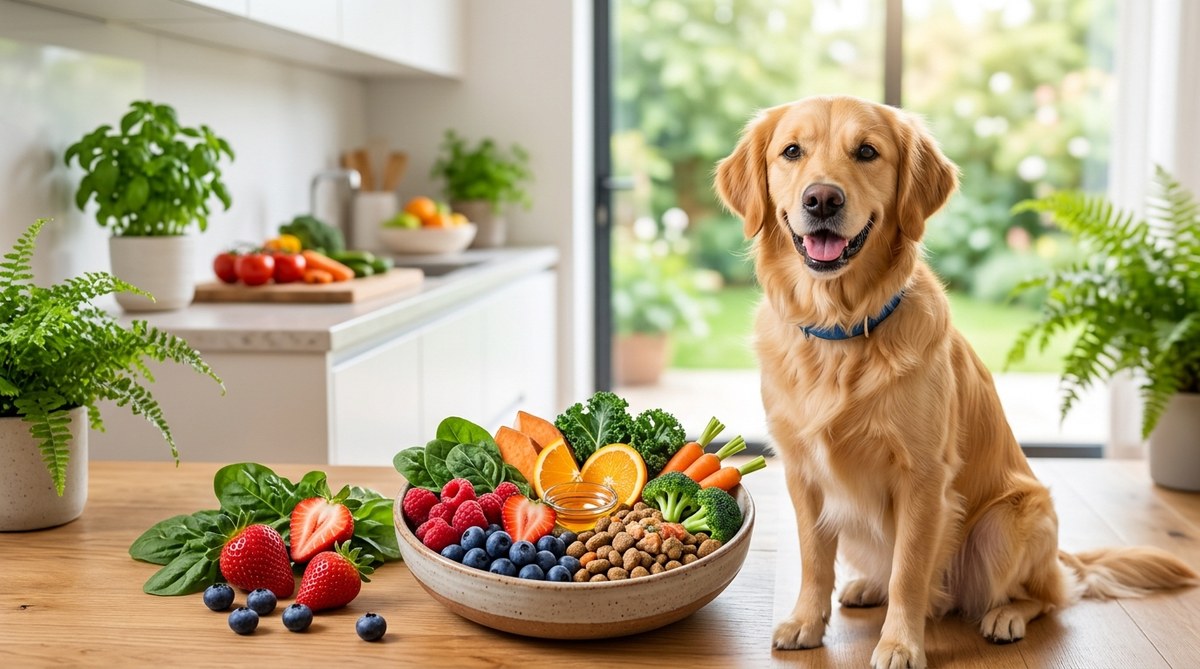
Your dog’s body fights a daily battle you cannot see. Every breath, every meal, every romp in the yard creates tiny molecules called free radicals. Too many of them cause damage at the cellular level. That damage speeds up aging and opens the door to disease. The best defense? Antioxidants for dogs. These powerful compounds neutralize free radicals before they can do harm. Adding them to your dog’s bowl is one of the most effective steps you can take for their long-term health.
Antioxidants protect your dog from cellular damage caused by free radicals. This damage leads to premature aging, joint stiffness, and chronic illness. By adding antioxidant-rich foods like blueberries, sweet potatoes, and leafy greens to your dog’s diet, you support their immune system, brain function, and mobility. Start with one or two safe options today for a noticeable difference in energy and coat health.
What Are Antioxidants and Why Do Dogs Need Them?
Think of antioxidants as your dog’s personal repair crew. Free radicals are unstable atoms that steal energy from healthy cells. This process, called oxidative stress, is linked to every major age-related condition in dogs: arthritis, cognitive decline, heart disease, and even cancer. Antioxidants donate an electron to stabilize free radicals without becoming unstable themselves. It is a simple chemical trade that keeps cells intact.
Dogs produce some antioxidants naturally, but not enough to keep up with modern stressors. Processed foods, environmental toxins, and even exercise increase free radical production. That is why adding dietary antioxidants is so important. A diet rich in these compounds helps your dog maintain a strong immune system, a shiny coat, and sharp mental function well into their senior years.
Top Antioxidant-Rich Foods Your Dog Will Love
You do not need expensive supplements to boost your dog’s intake. Many whole foods are packed with antioxidants and safe for daily feeding. Always introduce new foods slowly and in small amounts. Here are some of the best options to rotate into your dog’s meals.
- Blueberries: Tiny but mighty. They are loaded with vitamin C and anthocyanins, which support brain health and reduce inflammation.
- Sweet potatoes: Rich in beta-carotene and vitamin A. Great for skin, coat, and eye health. Serve cooked and plain.
- Spinach and kale: Leafy greens provide lutein and zeaxanthin, which protect vision and fight cellular aging.
- Carrots: Another beta-carotene powerhouse. They support immune function and make a crunchy, low-calorie treat.
- Pumpkin: Full of alpha-carotene and fiber. It soothes digestion and provides a natural antioxidant boost.
- Apples: Contain quercetin and vitamin C. Remove seeds and core before serving.
- Turmeric: The active compound curcumin is a potent anti-inflammatory. Use a tiny pinch with black pepper for absorption.
For a complete list of safe superfoods, check out our guide on 7 superfoods that will transform your dog’s health in 2026.
How to Add Antioxidants to Your Dog’s Diet: A 3-Step Plan
Jumping in with too many new foods at once can upset your dog’s stomach. Follow this simple process to make the transition smooth and safe.
- Start with one food at a time. Choose a single antioxidant-rich food from the list above. Offer a small amount, about a teaspoon for small dogs or a tablespoon for larger breeds. Wait 48 hours. Watch for any signs of digestive upset or allergy. If everything looks good, you can add this food to the rotation.
- Mix it into their regular meal. Do not replace their main food. Sprinkle the new ingredient on top of their kibble or mix it into wet food. This keeps their diet balanced while adding nutritional variety.
- Rotate three to four options each week. Variety prevents nutrient gaps and keeps your dog interested in their food. For example, offer blueberries on Monday, steamed pumpkin on Wednesday, and a spoonful of cooked spinach on Friday.
If you prefer a more structured approach, read our article on how to build a custom meal plan for your dog’s unique needs.
Common Mistakes When Adding Antioxidants
Even well-meaning owners can make errors. Here is a table that shows what to do and what to avoid.
| Mistake | Why It Is a Problem | The Better Approach |
|---|---|---|
| Feeding raw sweet potato | Raw sweet potatoes are hard to digest and can cause stomach upset | Always cook sweet potatoes until soft, then mash or chop |
| Giving too much turmeric at once | Turmeric is potent; large amounts can cause digestive issues | Start with a 1/8 teaspoon for small dogs, 1/4 teaspoon for large dogs |
| Using canned fruits or vegetables | Canned goods often contain added sugar, salt, or preservatives | Use fresh or frozen produce with no additives |
| Ignoring portion sizes | Too much of any new food can cause diarrhea or gas | Treat these foods as toppers, not meal replacements. Keep portions to 10% of daily calories |
| Serving grapes or raisins | These are toxic to dogs and can cause kidney failure | Stick to dog-safe fruits like blueberries, apples, and bananas |
What the Science Says About Antioxidants and Longevity
Research on canine nutrition continues to grow. A 2025 study published in the Journal of Veterinary Internal Medicine found that dogs fed a diet high in antioxidants showed significantly lower markers of oxidative stress compared to dogs on standard kibble. Another long-term study tracked Labrador retrievers over a decade. Dogs with higher antioxidant intake had better cognitive scores in their senior years and fewer cases of hip dysplasia.
“Antioxidants are not a magic pill, but they are one of the most reliable tools we have to slow the aging process in dogs. I recommend every owner include at least one antioxidant-rich whole food in their dog’s daily diet.” — Dr. Sarah Klein, DVM, canine nutrition specialist
The evidence is clear. These compounds do more than just fight disease. They help maintain muscle mass, keep joints flexible, and support a healthy inflammatory response.
Signs Your Dog Needs More Antioxidants Right Now
Some dogs show clear signs that their diet is lacking. Look for these clues:
- Dull or dry coat
- Low energy or lethargy
- Frequent ear infections or skin issues
- Stiffness after walks, especially in older dogs
- Cloudy eyes or vision changes
- Slow healing from minor cuts or scrapes
If any of these sound familiar, it is time to upgrade your dog’s nutrition. A few small changes can make a big difference. For more ideas, read our guide on how to strengthen your dog’s immune system with nutrient-dense foods.
A Sample Week of Antioxidant-Rich Meals
Here is a practical example of how to rotate foods without overcomplicating your routine.
| Day | Meal Topper |
|---|---|
| Monday | 1 tablespoon steamed blueberries |
| Tuesday | 2 tablespoons cooked, mashed sweet potato |
| Wednesday | 1 tablespoon finely chopped cooked spinach |
| Thursday | 2 tablespoons plain pumpkin puree |
| Friday | 1 tablespoon grated raw carrot |
| Saturday | 1 tablespoon diced apple (no seeds) |
| Sunday | Rest day. Stick to their regular food. |
This rotation gives your dog a broad spectrum of antioxidants while keeping their digestive system happy.
What About Antioxidant Supplements?
Whole foods are almost always better than supplements. The body absorbs nutrients from food more efficiently, and you avoid the risk of overdosing on fat-soluble vitamins like A and E. However, there are cases where supplements make sense. Senior dogs with specific health conditions, dogs recovering from illness, or dogs on a strict commercial diet may benefit from a targeted supplement.
If you choose a supplement, look for one that lists the source of antioxidants. For example, a blend of blueberries, turmeric, and milk thistle is better than a generic “antioxidant blend” with no specifics. Always run any new supplement by your vet first. For more on this topic, see our article on top natural supplements to boost your dog’s nutrition naturally.
How to Store and Prep These Foods Safely
Proper storage keeps nutrients intact and prevents spoilage.
- Blueberries: Rinse and freeze them. Frozen blueberries make a great summer treat and keep for months.
- Sweet potatoes: Bake a batch at 400 degrees for 45 minutes. Store in the fridge for up to five days.
- Spinach and kale: Wash thoroughly. Steam lightly to reduce oxalates, then chop and freeze in ice cube trays.
- Pumpkin: Use plain canned pumpkin or roast a fresh pumpkin. Freeze in portions.
- Carrots: Keep raw in the fridge. Grate just before serving.
Never feed moldy or spoiled produce to your dog. If it looks bad for you, it is worse for them.
The Link Between Antioxidants and a Healthy Coat
A dull coat is often the first visible sign of poor nutrition. Antioxidants help by reducing inflammation in the skin and supporting hair follicle health. Vitamin E, found in spinach and pumpkin, is especially good for skin hydration. Beta-carotene supports oil production, which gives the coat its natural sheen. If your dog’s coat has lost its luster, adding a few antioxidant-rich foods can bring it back within weeks. For more grooming tips, check out essential grooming tips every dog owner should know.
Why Your Dog’s Age Matters
Puppies and senior dogs have different needs. Puppies are growing fast and produce more free radicals from high metabolism. They benefit from antioxidants that support brain development and immune strength. Seniors, on the other hand, face cumulative damage. Their antioxidant needs increase to protect aging joints, heart, and brain.
A senior dog eating a diet low in antioxidants may develop cognitive decline similar to dementia in humans. A 2024 study from the University of California found that senior dogs given a daily blueberry supplement showed improved memory and problem-solving skills after just eight weeks. If your dog is over seven years old, prioritize antioxidant-rich foods even more. Read more in our guide on why your senior dog’s nutritional needs change after age 7.
Putting It All Into Practice
You do not need to overhaul your dog’s diet overnight. Start small. Pick one food from the list and add it to tomorrow’s meal. Watch your dog’s reaction. Notice their energy, their coat, their mood. Over the next few weeks, add a second food. Then a third. Before you know it, your dog will be getting a steady stream of protective antioxidants with every meal.
This is not about perfection. It is about progress. Every blueberry you add, every spoonful of pumpkin you mix in, is a vote for a longer, healthier life for your dog. That is a reward worth working for.